Right now, Charli XCX’s big cinematic invasion is in full swing. Thus far this year, Charli has already released her Wuthering Heights soundtrack album and starred as herself in her own mockumentary The Moment. She’s acting in a bunch of movies in various stages of production and post-production, and she’s also helping transform Anne Hathaway into a plausible pop star for her role in the new psychological thriller Mother Mary.
In Mother Mary, the latest from Green Knight director David Lowery, Hathaway plays a pop star, starring alongside Micaela Coel as her long-estranged fashion-designer friend. The movie features music written by Charli XCX, FKA twigs, and Jack Antonoff, and the trailer shows Hathaway’s character singing a song called “Burial” while performing in an arena. That song is out now, and Hathaway co-wrote it with Charli, Antonoff, and Charli’s husband, the 1975 member George Daniel.
Anne Hathaway is obviously not a singer, but she has a bit of a discography because she has starred in musicals like Ella Enchanted, Rio, and Rio 2. She won an Oscar for the 2012 Les Misérables adaptation, and her rendition of “I Dreamed A Dream” was a minor chart hit. None of this would seemingly prepare her to help write alternate-universe pop hits with actual pop stars, but that’s what she’s doing. “Burial” works just fine as vibey dance-pop with heavy Ray Of Light overtones. I’m not convinced that this song could be a hit for an arena-level pop star, but maybe it’s something that an already-established star could release in a mature phase.
Do you think “Burial” is named after Burial? It’s plausible, right? Below, check out “Burial” and A24’s teaser for the Mother Mary soundtrack.
Mother Mary opens in theaters 4/17, and the soundtrack album comes out the same day.
In the cruel eternity of the internet, no one gets a consolation prize for taking an L on national TV. Not even bright-eyed Bradley Cooper. After spending six years practicing one particular conductor symphony scene and donning an abominable prosthetic mask for the Leonard Bernstein biopic Maestro, Cooper found himself on the losing end of the Oscar race for Best Actor and a series of jokes labeling an awards season clout-chaser. We can’t know for sure, but there’s a chance J. Cole felt a similar sting 15 years ago.
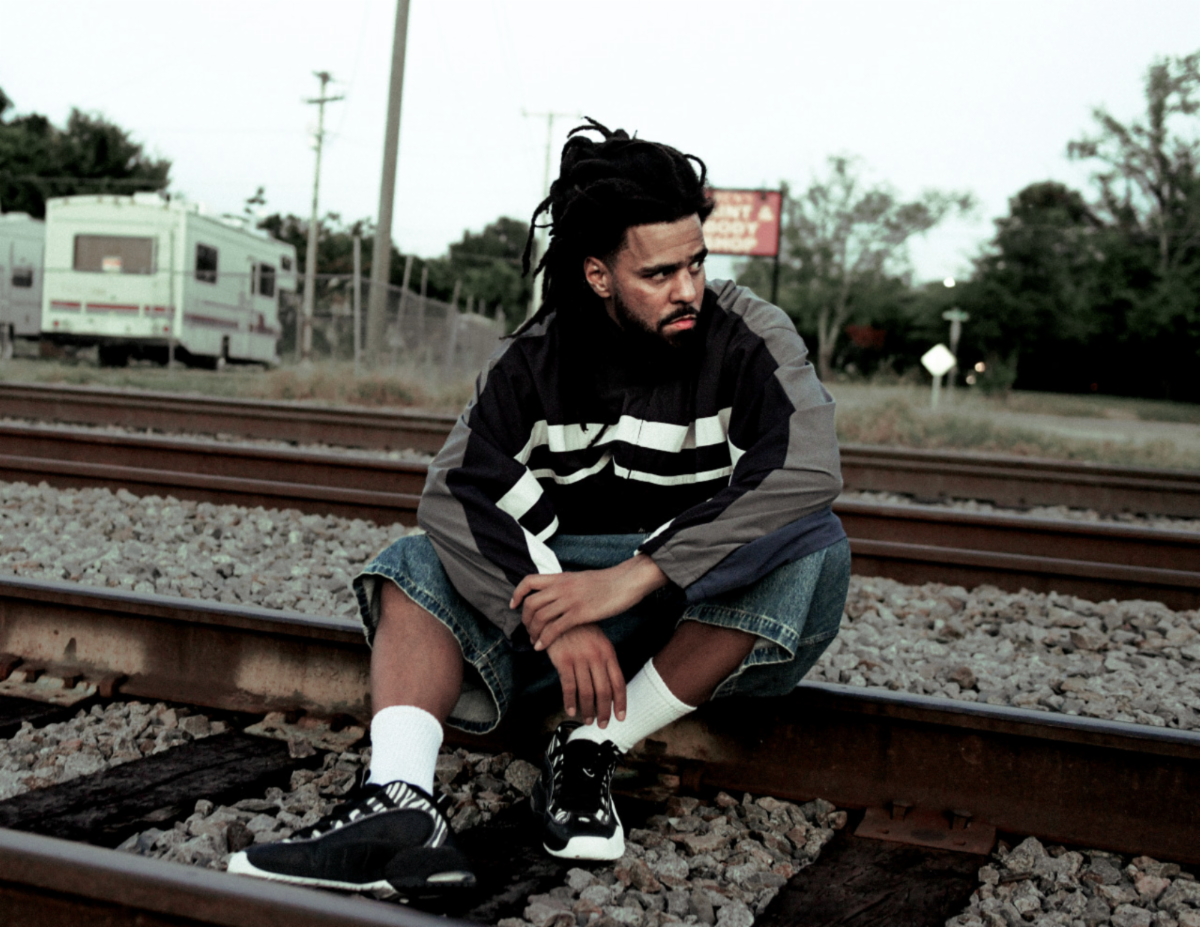
No one’s ever wanted a classic album more than J. Cole. Titled Cole World: A Sideline Story, his 2011 debut LP was framed in the theatrical gravitas of Maestro without the genuine brilliance to earn similar acclaim. Following a few solid but unspectacular follow-ups, Cole’s used the last eight years for an extended rollout for the album he hinted would be his last. In that time, he’s rapped his ass off with stellar guest verses. When not doing that, he’s been dropping more middling albums while developing goofy gimmicks and leading the field in the Fake Cryptic Artist Olympics; it’s not an ethnic nose prop, but a rap alter ego named Kill Edward is similarly unforgivable. Accompanying the first bit of music shared from his alleged final album The Fall-Off, he wrote that he wanted to “do on my last what I was unable to do on my first.” Released last week, the project is an ambitious, technically accomplished double album that’s occasionally weighed down by its own pretentiousness.
Sprawling and fiery, The Fall-Off is a collage of unexpected textures, sprightly verbal athleticism, and ideas from all corners of J. Cole’s influences. On the back of the literal CD, you can see what appears to be a setup of his old bedroom: a boombox surrounded by posters of Beanie Sigel, Common, 50 Cent, Canibus, and other folks who could fill out your I Love Early 2000s Rap Vol. 3 CD. The album sounds like he dumped those CDs in a molten pot with his street-adjacent everyman sensibilities — a Mobb Deep sample here; a Common sample there; an embarrassing but real admission way over there. Threading it all is his dexterity. For hometown anthem “Two Six,” Cole sprints across a fluttering orchestral arrangement while interpolating Sexyy Red’s “Skee Yee.” Toward the end of the first verse, he lays out a mission statement for the album he intended to be his best. His syllables bounce atop each other like they’re tap dancing on a tightrope: “That shit feel old to me, my cribs, they never get sold to me/ Them bitches get built for me/ Like cheerleaders, I’m steppin’ on these niggas skillfully.”
Cole’s ear for phonetics and syntactical precision have made him one of the more obviously impressive rappers in the mainstream. These aren’t the hazy hieroglyphs of Armand Hammer, nor the annoying but rewarding quadruple entendres of Lupe Fiasco. It’s “go into Hot 97 and drop a viral freestyle anytime you want” incarnate. That ability has perhaps given him more artistic credit than he might deserve, but combined with his commercial appeal and everyman psychology, it cemented his status as a linear, classical sort of rap star from a different time. Obviously, all of that’s here, too. For “The Fall Off Is Inevitable” (released as an advance single under the name “DISC 2 TRACK 2”), Cole raps his life story backwards, from casket to birth. It feels a bit gimmicky, but his ability to connect it all with just one rhyme scheme, and the seamlessness of the story itself, outweigh that fault; this is a cleaner version of Nas’ “Rewind.”
Cole developed a reputation for rapping rapping back when the iPhone first came out. But that technical proficiency wouldn’t have hit the same if he couldn’t use it to channel his emotions. The pyrotechnics are the floor, but Cole’s greatness lies in his ability to funnel memories and sensations into a portrait of a Fayetteville, NC kid with a dream, skills, and the fearless insecurities to make you hope he reaches it. On tracks like “Safety,” those gifts coalesce, with Cole spitting from the perspective of a homie texting about all that’s transpired in the Ville since he’s been gone. Clumsily homophobic as the third verse is, the song’s Earthly details and economic precision paint a portrait of friends fallen and floating — dreams dead and nonexistent.
Cole is more affecting the more personal he gets. Floating over a dreamy Isley Brothers sample for penultimate track “and the whole world is the Ville,” Cole gets even more personal, telling the story of a gangly teen who found courage in skating rink cyphers. Paired with sentimental piano keys, it becomes a serene tribute to the otherwise tributeless: “Now, this tale was composed for those/ Who arose within this lil’ area code on the globe /Like the rose that grows from out the concrete abode/ You gotta just go, no matter the goal/ You’re from a beautiful, but not reputable place/ You seen your fair share of funeral dates.”
The songwriting here is sensory and acrobatic. But that’s all customary Cole. So is the “I was just your average bro with a dream” content, which some folks are tired of. But he leaps forward with some sonic innovation, flaunting some ingenuity that collapses eras and arguments about his production acumen. “Who TF Iz U” mixes Mobb Deep’s “Drop A Gem” with a Memphis cowbell for a cross-regional structure that works a little better than it should. Meanwhile, “Bombs In The Ville/Hit The Gas” phases from supple strings into an astral Miami bass beat with a flourish of a Ludacris “What’s Your Fantasy” sample stitched into the ending. On paper, an Alchemist-produced cut with Cole, Future, and TEMS sounds like either a hideous monstrosity or a beautiful Frankensteinian creation. With Alc’s eerie bells, Hendrix’s wounded croaks, and TEMS just being TEMS, it leans toward the latter, even if Cole is the least interesting part of the track and it feels a bit too segmented to completely capitalize on its ingredients. Swirled together, the spurts of mosaical production give the album a sense of propulsion that almost keeps you from realizing it’s a little too long.
The Fall-Off’s highs will mostly make you forget its lows. Technically speaking, Cole’s singing shows cleaner range on tracks like “39 Intro,” but the accompanying guitar evokes a sappy trailer for The Notebook 3. Ditto for “Legacy.” It’s theoretically neat that Cole maybe took some vocal lessons, but the strained jaggedness he showed on tracks like “Apparently” and “Work Out” gave his best tracks character in a way this pristine okayness doesn’t. His singing is a little more convincing on “The Let Out.”
There aren’t many duds here, but Cole is definitely prestige-hunting, with some tracks feeling like a directory for hackneyed rap tropes. It can feel a little tired. For “What If,” he raps from the perspective of Tupac Shakur and the Notorious B.I.G., serving up the sort of kiss-and-make-up story he frankly has no business telling. Somewhere, Joyner Lucas is jealous. The “I Used To Love H.E.R.” sequel “I Love Her Again” is effective enough but still only makes me think of the kid showing me the OG version on his iPod Nano in 7th grade homeroom: “SEE! The ‘girl’ he’s talking about is HIP-HOP.” It’s a layer of self-indulgent heavy-handedness that telegraphs its importance in the same way Cole’s done since he had a Jay-Z interview about a potential successor stitched into “Rise And Grind.” Cole takes sonic risks, but the hooks here don’t hook like his best work, lacking the symbolism and phonetic thrills to be indelible. It’s a little telling that Future growling “Fuck the world, let’s run a train” might be the best chorus on the whole thing.
Despite its choppy moments, The Fall-Off is one of Cole’s more accomplished works. It’s not shackled to an overwrought concept like KOD, and it’s technically sharper than Sideline Story. It’s more experimental than Born Sinner but lacks the towering anthems of 2014 Forest Hills Drive. It’s not as clean as The Off-Season, but it’s riskier in a rewarding way. The Fall-Off was never truly going to be J. Cole’s final album; in an AMA on his Inevitable forum Monday, he admitted that his project It’s A Boy will still be released, but he might be done making music as “J. Cole.” Fucking yawn. This was all about as unpredictable as Steve Rogers coming back to the MCU one day. Still, that means Cole’s got more time to prove he hasn’t fallen off. And he hasn’t. The Fall-Off isn’t his crowning achievement, but it’s trying to be something interesting — and it mostly succeeds. Heartless memes aside, that’s worth something. Trophy or not.
COLD AS ICE
Don Toliver – “Body”
I don’t usually love the whole “use the sample as a hook” thing anymore, but the Justin Timberlake flip and the dystopian delirium of the whole soundscape make this one hit for me. Ditto for Toliver’s opiate vocals.
DaBaby – “Pop Dat Thang”
The story of DaBaby’s supposed cancellation has been well studied, and he’s rightfully been dragged for all the stupid shit he’s done. I wouldn’t say he’s on a comeback trail, but “Pop Dat Thang” is a fun retro track that’s powered him back to the Hot 100 when I honestly thought he might never return. Give him credit for this one.
Mozzy & EST Gee – “Wouldn’t Hold You Up”
Ruthless, cutting street rap from two of the best at ruthless, cutting street rap. Mozzy’s “I lost my brother, then I turned to Satan/ Grab thang, it’s my turn to yank it, you gotta earn your rankin'” is my favorite set of bars all month.
E L U C I D & Sebb Bash – “First Light” (Feat. MATTIE)
Eerie, subdued soundscape and esoteric E L U C I D bars is just the sort of combo that gets me out of bed in the morning.
I’ma always fuck with some new Benny The Butcher, especially when he raps shit like “I put a trap in a pizza shop/ And put rims on your baby mama Equinox.”
Boldy James, Ransom, & Nicholas Craven – “Offerings”
Just great rappers talking that talk over Nicholas Craven production. Can’t wait for the whole project to drop.
EsDeeKid – “Omens”
I dismissed EsDeeKid at first, but there’s basically no song of his I haven’t had on repeat. The rapping is vicious, the beats are apocalyptic, and the mask and even his name are just all very intriguing to me.
Thundercat – “I Did This To Myself” (Feat. Lil Yachty)
Psychedelic, off-kilter and fun. Idc, give Yachty props for fitting in basically everywhere.
IDK – “P.O” (Feat. Black Thought)
I’ll always give credit to IDK for his ambition, even if sometimes it leads to projects that are objectively kind of a mess. But this track with Black Thought is sharp, and his ability to hold his own reminds you of his verse to verse ceiling.
J. Cole – “99 Build”
The best track from Cole’s pre-Fall-Off mixtape Winter Blizzard ’26 does justice to the Lox’s “Money, Power & Respect.” It’s not some cryptic riddle, but bars like “If life is truly a movie, God is the art department/ The only way of describin’ this way that I’m rhymin’/ Is picture Jeffery Dahmer walkin’ a carcass across the carpet/ The Marshall Faulk of the roster with all-star offense/ Outside of the music, I’m as cool as your water faucet” is prime acrobatic wordplay. He said a lot of embarrassing shit on this tape, but this one holds up.
Britney Spears has been granted a restraining order against a man who has reportedly been harassing her for years.
The singer filed court documents claiming that a 51-year-old Louisiana man named Donald has been harassing her online dating back to 2013, and has made “disturbing social media posts” about her, according to documents obtained by TMZ.
Spears’ team claimed that they had serious concerns for their client’s safety, as he had posted the words “bullet hole heart” on social media.
Donald was reportedly previously arrested for trespassing at her home in 2015 when Spears’ security team spotted him and contacted police.
He “exhibited odd behaviour and made several incoherent comments”, a sheriff’s deputy said, according to the documents.
Donald already has a lengthy rap sheet. The documents reveal that he has a “long and concerning criminal history”, including convictions for criminal trespass and aggravated assault in 2019.
He has been ordered to stay 100 yards away from the Everytime singer. The court order keeps the restraining order protection for Spears in place against Donald until 2030.
News of the restraining order broke hours before Spears herself was arrested in the early hours of Thursday.
The Daily Mail reported that the pop star was taken into custody by California Highway Patrol at around 9.30 pm on Wednesday night in Ventura County for driving under the influence.
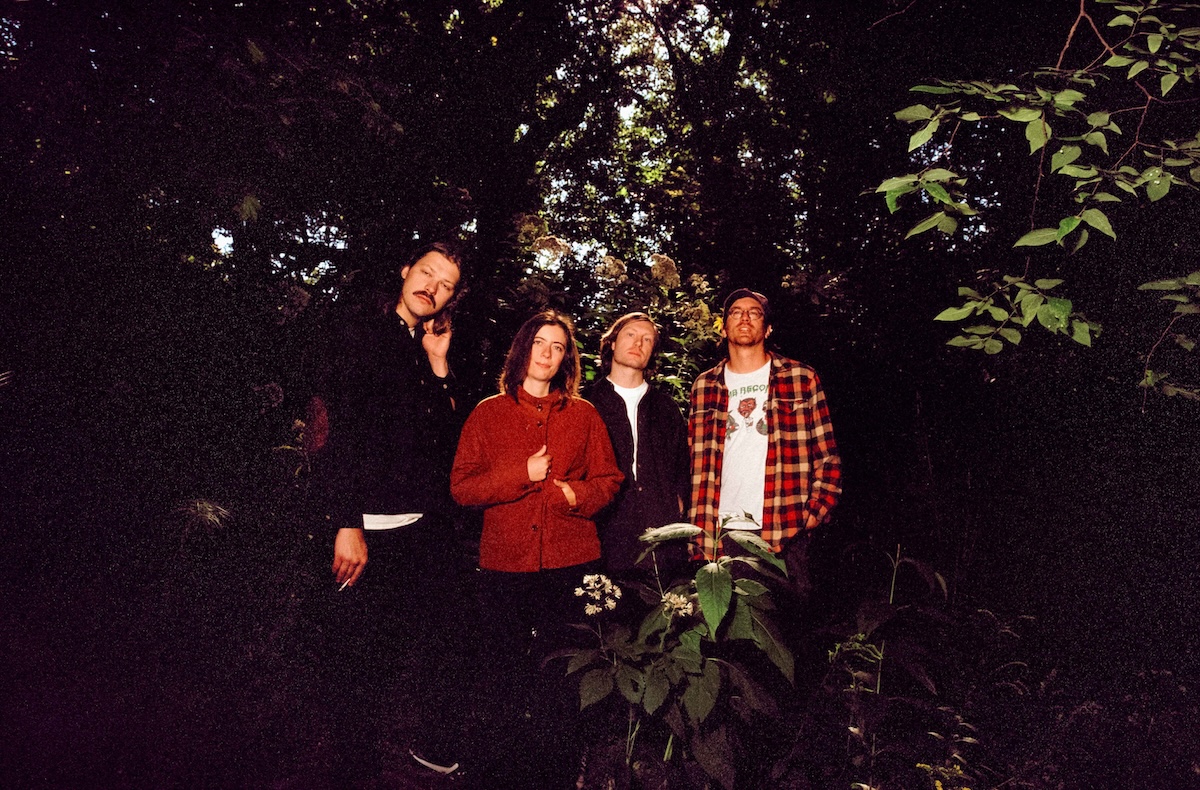
Pinegrove felt like the future — like my future, like our future. It wasn’t on the scale of the current Geese-mania, but a decade ago, a palpable excitement was building behind the Montclair, NJ group. Eventually, that momentum was derailed in a depressing, confusing fashion that complicated Pinegrove fandom for the remainder of their run. But at the time, I was smitten, and I believed they could become the greatest indie band of their generation.
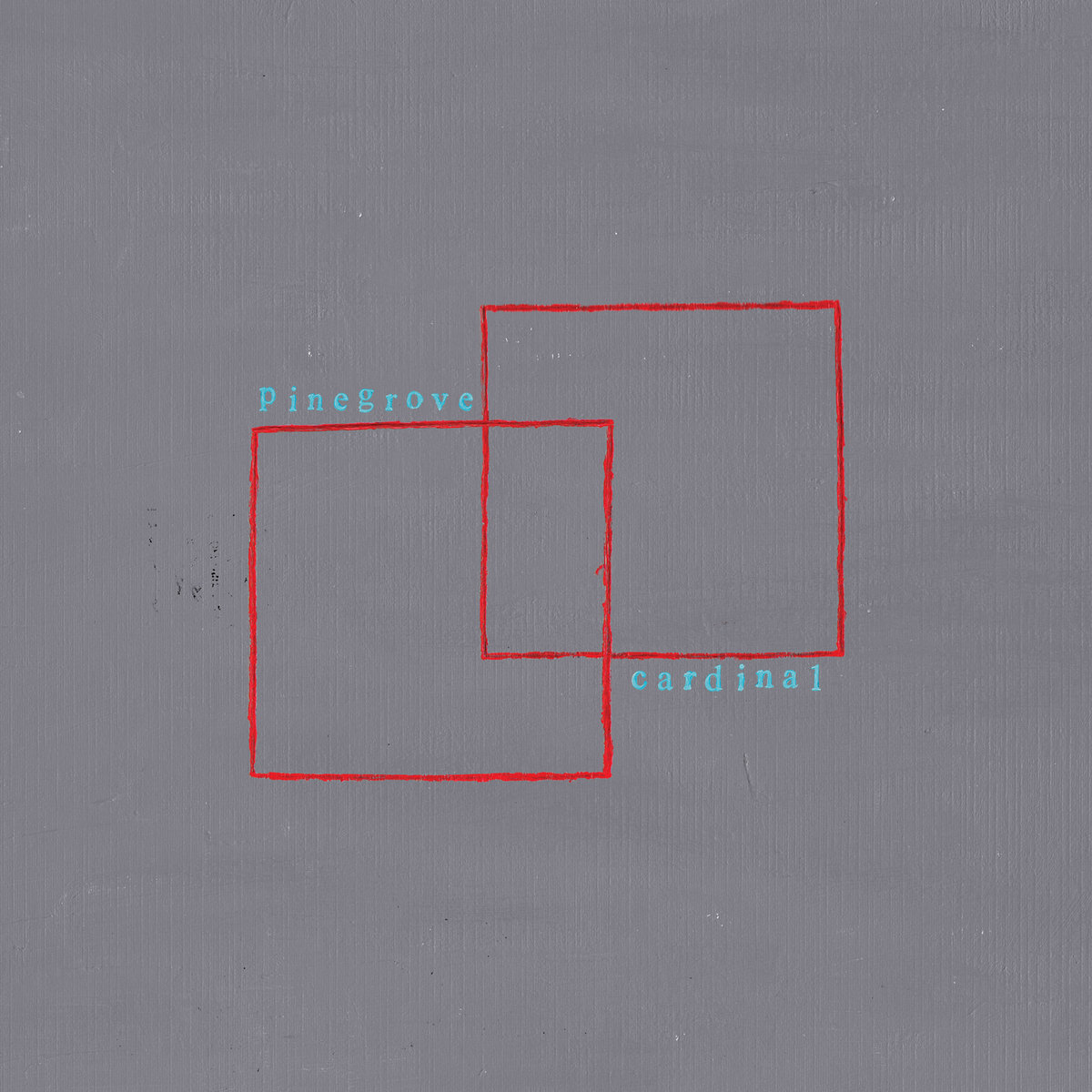
That belief had everything to do with Cardinal, their second proper album, released 10 years ago today. Cardinal was an instant entry into my personal canon, sparking the kind of head-over-heels obsession that becomes more fleeting as you get older. Not many albums released in the 2010s meant more to me in real time. I don’t think my attachment was unique — just ask all those people with Pinegrove tattoos they may or may not regret — and given that I was already in my thirties when the album dropped, I’m arguably not even part of the right micro-generation to truly claim this band as my own. But when revisiting Cardinal in recent weeks, I was stunned by my intense emotional reaction to the music. Renewed exposure to these songs cranked up my wistfulness to extremes.
In some sense it’s appropriate that Pinegrove had me in my feelings. Cardinal emerged near the end of the so-called emo revival, the “fourth wave” of emo bands that broke out in the early 2010s by trading out the arena-rock pomp of the MySpace-era “third wave” for the passion, grit, and math-rock virtuosity of the “second wave” in the ’90s. Pinegrove’s music didn’t really fit into that movement, but they were signed to Run For Cover, one of the most important record labels of the emo revival, so I first understood them as a kind of emo band. And despite their countrified indie rock aesthetic and their lack of twinkly finger-tapped guitars, their music was nothing if not emotive.
Evan Stephens Hall, the singer and songwriter at the heart of the band, was a familiar Type Of Guy: sensitive, progressive, prone to conveying big feelings in grand poetic language. He was 26 upon Cardinal‘s release, which makes perfect sense. The album exists in the headspace of college and the wilderness years afterward, when you’re still trying to figure out how to be grown up. Life speeds up, responsibilities accrue, and it becomes ever harder to stay connected with even the most important people in your life.
Hall’s songs captured that restless young-adult yearning. There is a too-cleverness to some of his wordplay that can take me out of it when reading the lyrics sheet, but somehow it all works wonders when threaded into Pinegrove’s soft-edged roots-rock — perhaps because too-cleverness is inherent to that stage in life, especially for a punk-house intellectual like Hall. He’s often in motion on Cardinal: riding public transportation, flying to Japan, walking home in an emotional fog. “The album’s a lot about place,” Hall told SPIN. “A lot about traveling, but also a lot about Montclair. [I was] thinking about distance, space, and places I’ve been.” Though he told VICEthat returning home to Montclair after a short-lived move to Brooklyn allowed him ample time and space to write because all his friends had graduated and moved away, he lamented to DIY that year that being on the road so much was making it tough to maintain relationships, “which is the ore of writing.”
Relationships were certainly at the center of Hall’s own songs, to the extent that Cardinal is bracketed by tracks called “Old Friends” and “New Friends.” The former is Pinegrove’s masterpiece, an ambling anthem fueled by longing, regret, and a sentimentality that might strike some as saccharine but pierces me to the heart every time. A few self-consciously writerly flourishes (“my steps iterate my shame”) can’t undermine the powerful scene-setting. Hall alludes to personal tragedy via chance encounters in transit — “I saw Leah on the bus a few months ago/ I saw some old friends at her funeral” — evoking images of a young man moving through life consumed by melancholia. It builds to epiphanies that double as shout-along bars: “I got too caught up in my own shit/ That’s how every outcome’s such a comedown” is preceded by my personal favorite, “I should call my parents when I think of them/ I should tell my friends when I love them.”
The band matches Hall’s conversational grace, moving through simple chord changes with subtle virtuosity. Mike Levine, father of band members Zack and Nick Levine, contributes aching pedal steel to “Old Friends” among other tracks, and a current of banjo complements the steady guitar crunch at the song’s core. (Hall’s dad Doug, who has a cover band with the Levines’ dad, is on the album too, playing piano on “Waveform.”) Nandi Rose Plunkett’s backing vocals bolster a chorus that stretches downcast self-obsession to the heavens. Every element comes together to summon a quarter-life listlessness so potent that it still sends me spiraling every time.
Cardinal keeps pulling off moments that approach the opening track’s splendor. Pinegrove let ‘er rip on the twangy rocker “Then Again,” howl their lungs out amidst the churning glimmer of “Visiting,” build slowly toward catharsis on “Cadmium” and “Size Of The Moon.” All throughout, they prove to be not just a singer-songwriter vehicle for Hall but a proper unit, locked in and full of musical ideas. It’s not an especially hi-fi record, but they paint the corners of the mix with so many gorgeous flourishes that a mere eight-song tracklist feels like a fully rendered universe. When the album finally circles back around to the brightly chiming “New Friends,” with its promise of hopeful horizons, the bildungsroman has reached its completion. The future feels wide open.
In Cardinal‘s wake, I went all-in on Pinegrove. I spun the album constantly, tapping into a bleary romantic nostalgia for my own coming of age, marveling at the way certain bands can emerge out of nowhere and strike you like lightning. I went to see the band every chance I got: at SXSW, in my hometown, and at Pitchfork Music Festival, where they were greeted as rising stars and maybe even conquering heroes. I let myself consider the possibility they’d become a Wilco-like fixture, a generational touchstone. The following year, a new album, Skylight, hit my inbox months ahead of its scheduled release, and it lived up to my wildest expectations about what Pinegrove’s Cardinal follow-up might entail. I’m grateful for the months I was able to enjoy it untainted by what happened next.
On Nov. 21, 2017, Hall posted a lengthy message to Facebook announcing that he had been accused of “sexual coercion” by an unnamed woman, that he had taken advantage of the power imbalance that comes from being a man fronting a famous rock band, that he was very sorry, that he was canceling the band’s tour dates and going to therapy. It was a vague statement that raised more questions than it answered, and it left Pinegrove and their fans in limbo.
This was the Me Too era, when American society was publicly reckoning with entrenched, destructive patterns related to sexual abuse. Many of us were resolving to take claims of misconduct seriously and struggling with how to hold alleged perpetrators accountable. Plenty of people wrote Hall off as an abuser and washed their hands of the band immediately, a fair and reasonable response, especially at a time when the revelations about rotten behind-the-scenes behavior were piling up to a dispiriting extent. Some of us held our breath, wondering when more information would come out, hoping there had been some misunderstanding.
Details emerged in September 2018, almost a year after Hall’s confession, via a deeply reported Pitchfork feature. In the story, a mediator summed up Hall’s actions with his alleged victim like so: “She and Evan had a brief relationship, and she was in a relationship when it started. She felt that he coerced her into cheating on her partner with him, and she felt that she said no to him several times… and he continued to pursue her.” Hall said the relationship progressed mutually but acknowledged her “right to describe her experience however feels true to her,” concluding, “I definitely could have conducted myself better.” It seemed like the kind of dispute that might have been handled privately, and maybe it would have been if not for Punk Talks.
The story revealed that Hall’s statement was spurred on by a Philadelphia woman named Sheridan Allen, founder of an organization called Punk Talks, whose behavior led Hall and others to falsely believe she was a licensed therapist, though she said she never claimed to be one. Per quotes from an actual therapist sourced by Pitchfork, Allen seemingly overstepped her role by offering therapy while also participating in informal accountability processes. Her involvement seemed to worsen an already messy situation, something she acknowledged in the article. “I made egregious errors and mistakes throughout this situation,” Allen wrote in an email interview. “I was acting without any guidance or a board and I have done absolutely everything I can now and in the future to ensure adequate checks and balances, as well as ensuring this will never happen again.”
Ultimately, Hall and his alleged victim worked things out via a mediator. Believing he had put in the necessary restorative work, she gave Pinegrove her blessing to release Skylight and resume touring. They got the band back up and running, and they had a fairly successful career. After self-releasing Skylight because other Run For Cover artists were uncomfortable being associated with Pinegrove, the band signed to Rough Trade for two more albums. They toured extensively, playing many sold-out shows along the way. They were profiled in The New Yorker. They had a viral TikTok moment. They were influential, too, helping to set the stage for this decade’s wave of rootsy indie rock. When Hall put the band on hiatus and enrolled in grad school, Pinegrove was a successful operation.
Yet for some of us, weirdness persisted. Matty Healy even wrote it into a 1975 song. We all have to apply our own conscience to these matters. Personally, based on the available information, I don’t think Hall’s actions merited renouncing my fandom. But it was hard to revive my enthusiasm for Pinegrove after it all went down. A dark cloud hung over everything, raining on what had once seemed like a victory parade. It’s possible Marigold and 11:11 were masterful works on par with Cardinal and Skylight, but I listened to them from an emotional remove. It just wasn’t the same anymore.
I wish it was possible to revisit Cardinal without rehashing all of this, but it would be bizarre and irresponsible to leave it out. The scandal has become intrinsic to the Pinegrove story — a story that, somewhere on the path to triumph, became a cautionary tale. With a few more years of distance, I’ve found that I’m able to fully give myself over to those old songs again, to not just hear them but truly relish them. It’s a joy and a relief to reengage with a song as personally meaningful as “Old Friends” and remember why I loved this band so much. But mixed in alongside that old elation, there are new layers of aching.
Every Ratboys album is good. The Chicago indie rockers have been in the game for six albums and 16 years, and they’ve only gotten better at their sound, which carries echoes of emo and pop-punk and alt-country and classic rock without fully steering into any of them. Their last, 2023’s The Window, was an outright triumph. Their latest is even better. Singin’ To An Empty Chair is about as good as American indie rock gets. It’s warm and heartfelt and exploratory and beautifully crafted. The songs travel in different directions and evoke different moods, and they fit together like pieces of a puzzle.
“I think this record feels the most unified of any of the ones that we’ve done,” says Ratboys frontwoman Julia Steiner over a Zoom call from the Chicago home that she shares with her partner, guitar hero Dave Sagan. (At one point during our interview, Sagan wanders in to tell Steiner that her new earplugs have arrived.) “It feels very cohesive in a way, where each song needs to be there. If you were to remove a song from the sequence, I don’t think it would be the same statement, or the same overarching feeling.”
Ratboys worked hard to make sure that this album would be a cohesive statement, one that carries heavy emotional weight for Steiner. For the past few years, Steiner has been estranged from a member of her family who she declines to identify. She envisioned the songs on Singin’ To An Empty Chair as messages to this person. “The idea was: Wouldn’t it be nice to have a record as an update on what my life is like, or an invitation to reconnect and a place to start?” she says. “One idea I had was, once we have the physical CDs, to send it in the mail and include a short note and say, ‘Here, this is what I’ve been working on.'”
If you’ve seen Ratboys at any point in the past year-plus, you’ve heard some of those songs. Some of them date back even to the time before The Window. Working again with The Window producer (and former Death Cab For Cutie guitarist) Chris Walla, Ratboys workshopped and recorded those songs in several locations, including a Wisconsin cabin and the late Steve Albini’s famed Chicago studio Electrical Audio. Sonically, Singin’ To An Empty Chair is instantly recognizable as a Ratboys album, but it’s bigger, more expansive, and more fully realized than anything that they’ve done before. It’s a truly special piece of work.
For a good hour and a half last week, Steiner and I talked about each of the songs on Singin’ To An Empty Chair — how they sound, what they mean, and how they fit together. Dig in.
1. “Open Up”
JULIA STEINER: This is one where I knew right away that it made sense as track one. It neatly lays out the intention for the album, the big question that underlines every song on the record: What is it gonna take to bridge this gap or make a connection? It’s something that I’m asking myself, too. I don’t want it to feel like the onus is all on this other person; I’m looking in the mirror also.
I was just looking back at my Voice Memos. The first moment that this idea came out was on January 2, 2024. So it was very much a song of new beginnings, and it just feels spiritually correct as track one. I’m very, very into the science or the art of album sequencing. Some songs, you just know immediately where they belong, and this was one of those.
A big inspiration for me, I gotta shout this out: I love Wilco. They’re one of my favorite bands and have been for like 20 years. They have records, Being There and Yankee Hotel Foxtrot, which both have these track ones that are these expansive scene-setters for the whole album and consist of a sequence of verses interspersed with beautiful noise. So that was sort of the template that I was excited to try to work within.
Do you do the Taylor Swift thing, where you start the songs out with Voice Memos and then they become another thing?
STEINER: Usually, yeah. I’ve been thinking about this a lot lately, actually. For the first time in like 10 years, I now have a working laptop. When I was in college, I had a laptop, and I would be recording demos like on GarageBand. And then that died. Then I had an iPhone, though, and I got into the habit of doing Voice Memos, and I’ve been doing that ever since. But now I have this laptop again, so maybe I’ll go back to how I was doing it. I have no clue what I’m doing, so it’s exciting. I’m going to start from square one again.
But yeah, I’m a Voice Memo girly, dude. I can’t stop. I love them, and I love going back and discovering ones I forgot about. I’m pretty obsessed with the Voice Memo of that song. It’s my favorite.
2. “Know You Then”
It’s sort of a pop-punk song.
STEINER: We were thinking a lot about, like, Weezer. We knew we wanted the choruses to be really heavy. Chris [Walla] brought up this word a lot throughout the sessions when we were working on this song, the idea of density. We stacked a lot of guitars.
Density meaning how much sound there is?
STEINER: Yeah, like packing it in. So that was a fun thing to keep in mind. I guess I’m always inclined to talk about the lyrics because that’s often where these things start. The idea for me was about this thought experiment of what would happen if you could go back in time and sort of protect your parents or your elder family members from their bullies, particularly at school.
Like Back To The Future?
STEINER: Kind of, yeah. If in “Open Up” we’re talking about going back in time, “Know You Then” is like we’ve landed there. We’re in the past and reckoning with things that we have no control over that have somehow come to affect us in the future. It’s kind of a heavy topic, you know? So it felt good to have the music mirror that. And also, it’s just a very simple song musically, and leaning into that felt really good. We got to add our little ode to Matt Sharp, a Rentals synth moment in the guitar solo. So that was exciting.
This song is about a specific person. Is it about the specific person that the album is about?
STEINER: Yep. So it’s firmly in that reflective, contemplative lane, actually thinking about the specifics of this relationship. But I think it applies to anyone, just this concept of the past coming home to roost and coming to peace with that and wishing that you could help but also acknowledging that there are things that are outside of your control and that’s OK.
I’m really happy with how this song turned out. We recorded this one really quickly, and we tried not to think about it too much — full steam ahead. Didn’t question anything. This was one of the first ones that we tracked in Studio B at Electrical Audio. It’s such a cool place. Studio B, the live room, is very different from Studio A. There’s just this massive drum sound; you can achieve real reverberant life in that room. This song just felt at home immediately in that space.
I think we tracked it on take two. It felt good. We were ready to clock it and keep going, and we tinkered with it over time. Eventually, we got the Matt Sharp Rentals thing at the very end, and that was the icing on the cake. Chris was like, “Maybe I can get Matt Sharp to play on this song,” because Chris knows him. But I don’t know, maybe maybe he didn’t answer or maybe Chris never actually called him. But Marcus [Nuccio] did a great job approximating.
When you go to a place like Electrical — I’m sure every studio has its history, but is that a place where your mind goes to all the records that were made there?
STEINER: Yeah. Oh, yeah. I mean, we are fucking music nerds. We were stoked to be in the same place where Jason Molina had recorded. We learned Chevelle made their first record there. We had been kind of citing them with one of the songs that we’ll get to later. Even with recent history, that Cloakroom record that came out about a year ago, the singles were coming out right when we were going into the studio, and we were like, “Holy shit, this is the room we’re going to be in next week. This is gonna sound awesome!”
That’s one of the coolest things about Electrical. Steve [Albini] and all the folks who work there were so prolific, constantly working. So many amazing records have been made there, and especially Chicago bands like Meat Wave. There’s just an awesome history in that space, so we were stoked to be a part of it.
3. “Light Night Mountains All That”
“Know You Then” is a real empathetic song, and then “Light Night Mountains All That” is a little more accusatory with it. It seems like it’s a little less concerned with protecting this person.
STEINER: I think of “Light Night” less as defined by this actual relationship and more, like, chaos. Like, we’re in the wormhole. We’re traveling back to the present. Everything is spinning. Nothing is as it seems. Sometimes when we sing the song, I picture a Tim Robinson crashout, someone who’s losing their mind. I don’t think it’s a coincidence that the lyrics sprang from the experience of writing the song.
This one was unique on the record because I didn’t bring it to the guys with any fully formed lyrics at all. I literally just had the intro finger-picky thing and the chord progression idea and the first verse, and that was it. I was a little nervous to show it to them with just that because it meant if we wanted to work on it, I would have to write lyrics on the spot, which I get a little nervous about because I tend to take a while. I’m so glad that I faced my fears and brought this to the table when we were writing together up at the cabin in 2024.
We worked on this all together and gave the song its structure and figured out odd timings, the turnaround that happens each time, but in the process of doing that fully lost our minds and each like our individual crashout moments, like screaming in the room. It was psycho. I’m so glad that we didn’t have any neighbors to overhear us slowly losing our minds figuring out this song.
The lyrics sprang directly from that experience. I’m not singing to my bandmates. This is one of the ones where it’s sort of the shadowy figure in my mind. There’s no treasure hunt to figure out who the heck I’m talking about. It’s a mystery to me.
There’s a few longer songs on the record, and you guys are really, really good at those. When you’re putting a song together like that, do you know that it’s to be one of those long ones?
STEINER: The only time that I’ve ever had that explicit feeling that this might be a long song was with “Just Want You To Know The Truth,” which we’ll talk about later on. This is one of those ones where I had no idea what it was going to turn into when we first started working on it.
One of the reasons that the runtime is so long is we really give that outro a lot of space to live and morph and transform. Each time it shapeshifts, even when we play it live, Sean [Neumann] and Marcus and I are holding it down with this, like, meditation that’s very repetitive. The idea is that Dave, on top of it, just goes insane and has this noise freakout journey amongst the trees. We didn’t talk about it. It’s just a matter of whatever feels right. And outros are awesome. More bands should have long outros.
When I saw you live a little while ago, I had a moment of “Oh, I get it! They play like a really fun, concise song for the first half most of the time. Then the second half is the song is this dude going crazy and shredding.” It’s not that every time, but I was enjoying that aspect of it. Especially live, Dave just goes off and runs all over the place.
STEINER: I mean, if anyone else had Dave in their band, they would do the same thing. It doesn’t make sense not to give Dave the time and space to go crazy and let loose because he’s a one-of-one player.
“Light Night” is the single. It came out like before you announced the album. You put out a long song as the single. What are you looking for when you put out a track like that, especially by itself? Who makes that call?
STEINER: I think it’s a couple of things. It’s our favorite one to play, and we feel like that joy in performance and the frenetic nature of it really comes through in the recording. We trust that our audience will feel that. And also, I think there is some mischievous joy that goes into putting out a song that sounds pretty much nothing like the rest of the songs on the album and providing this musical red herring for our audience. It’s interesting to hear something that’s a little bit out of left field.
We did something with The Window where we put out “Black Earth, WI” first, and we really enjoyed that experience — having that song live on its own for a little bit before we announced the album and even leaning into this VHS aesthetic on the music video. As we were working on this song, we always felt like it was the evil twin or stepsister to “Black Earth, WI,” especially considering we wrote it in the same area, near Black Earth. It felt spiritually connected in some way. We thought it might be fun to follow a similar path with this one, as far as the release.
4. “Anywhere”
STEINER: This song was born out of a writing prompt that I assigned myself, which was this image of Dave’s family dog, who has pretty ridiculous — I shouldn’t call it ridiculous, that’s not fair. He has real separation anxiety from Dave’s mom. There are some pets where you’re a one-person dog, you know? Not that Tofik is mean to anyone. He loves everyone, but he’s laser-focused on Dave’s mom.
His name is Tofik?
STEINER: It’s the Polish word for a caramel candy. There’s actually a Polish Tofik, another Pomeranian who lives in Poland, and Dave’s parents basically said, “We want that.” And so they got a Pomeranian. He’s a fluffy boy, and he’s just the cutest, most pathetic-looking dog. It’s hard to explain. He’s fragile, especially when he was a puppy. He would just go to pieces when Dave’s mom would leave the room to go to the bathroom or to water the flowers outside. His whole sense of orientation was thrown completely off. Dave’s mom brought him over to our house one time, and I was sitting there watching him when she went away briefly, and he was just losing it internally. Not barking. I could see the little gears in his mind working. I was like, “Oh, this is something worth writing about.” This song came from that image.
Our idea going into the studio was: How can we make this healthy? How can we make it really cute and really frenetic and anxious, like there’s no deep thought happening here? Instinctive. Those were our inspiration points going into it. I gotta shout out the Beths, who are one of my favorite bands going. I love Liz [Stokes]’s songwriting so much, and that’s what she does. She writes songs that are really mired in mental health crises, and they’re really catchy and infectious, and you want to listen to it. It’s not a bummer. It felt like a fun thing to aspire to.
So to clarify, this is not you writing about your panic attack. It’s you’re writing about Dave’s mom’s dog’s panic attack.
STEINER: I am Tofik, writing about my panic attack.
5. “Penny In The Lake”
You were talking about this song as sort of a drunken freakout.
STEINER: It’s not even a freakout, really. It’s just sort of watching the world go by in the backyard. This is the only time that I can recall actively working on a song outside. I don’t usually carry my guitar with me wherever I go, but for whatever reason, it was a summer day and I had my guitar in the backyard and just sort of started jamming and had this idea that it’d be fun to just observe. I feel like most of my lyrics aren’t very observational iin the literal sense. It’s maybe emotionally observant. But this song, I was just like, “What’s happening around me?” Oh, there’s bugs everywhere. We have a berry tree in our backyard that’s just completely out of control, and literally berries are dropping from the sky. I think a berry dropped on my head. I was literally amongst the creatures and the plants out back.
I love songwriters who have that free-association style, like Steve Malkmus. I thought it’d be fun to try to lean into that rather than any sort of narrative — more of a tableau of a fun, lively summer day in the backyard. That’s the vibe for me.
This one seemed the most like a drug song, potentially.
STEINER: I dig it, man. I mean, anyone could play the song on guitar. Three chords. You can be drunk and play it, or on drugs. I have faith. It’s very approachable and psychedelic and fun. Also, just being in the moment. Like, I’m gonna say some random thing, and it’s gonna make sense to me now. It might not make sense to me in three hours. There’s no rules. You can write about literally anything, so it’s fun to embrace that.
What does “Baby, you’re my Ringo Starr” mean to you?
STEINER: Oh my god. I mean, I love Ringo. I gotta be transparent. I didn’t have a specific person in mind when I was writing that, but I think if anyone was to be my Ringo Starr, it means that you maybe don’t get as much credit as you deserve. You have a lovely, affable presence and add an underrated aspect of joy and coherence and unity to any situation that you’re a part of. I think Ringo’s a genius, and he should be shouted out more. I was grateful that Marcus did the “Come Together” rolls as a little shoutout.
Do you have a favorite Beatle?
STEINER: Paul. Sorry, Ringo. Ringo is probably my number two. I got to see Paul for the first time back in November with the Beths, which was so fun. We went together, and it was a dream come true.
6. “Strange Love”
Can we talk about album construction? “Strange Love” is sort of a classic ’60s Nashville pop song, and I like the juxtaposition from “Penny In The Lake.”
STEINER: For me as a listener, we’ve had “Light Night,” “Anywhere,” and “Penny,” all in a row. Even though “Penny In The Lake” is a bit more laid-back, there’s still a lot of energy and life in that song. Not that there isn’t life in “Strange Love,” but it felt like a nice time to sort of exhale. We think a lot about tension and release when we’re building a tracklist, and by this point, it feels like a nice time to sit back and lean into that release. Also for me, “Strange Love” sort of feels like a nighttime song — sleepytime, like middle of the night, awake.
Well, that’s what it’s about, right? You’re singing about the feeling that tomorrow’s gonna suck because I can’t sleep. It’s not happening. That is a very identifiable thing.
STEINER: Totally. For that reason, in my mind, it fits this album more than any other. Maybe I’m thinking about this too much, so stop me if you think so, but I’ve really enjoyed tracking the sequence as if it were a series of days, or times of day. “Penny In The Lake” for me is a late afternoon, early evening, sunset backyard party. And then “Strange Love,” suddenly it’s the middle of the night. It feels like a very natural progression from one to the other. Potentially, we’re at the Roadhouse in Twin Peaks, and it is nighttime. No one’s there.
You’re not really a spooky or Twin Peaks-y band, but the song really does have that feeling. The background oohs are really nice. They really hit.
STEINER: Thanks, those were really fun to record. We wanted it to feel really close, like you’re right next to that person who’s singing in your ear. “Strange Love” came really quickly. It was one of the last songs that we wrote for the album. It doesn’t happen very often, but it was one of those where the whole thing came out in one go, pretty much. Of course, me being me, I had to toil with it and think about how maybe there’s better lyrics or maybe there should be another verse or something, and then eventually just said, “Nope. It was right the first time. We don’t need to fret. We don’t need to change anything.” It’s a little bit of an outlier that way.
I don’t know if you meant it this way, but I hear another juxtaposition in it because it’s a soothing song about not being soothed.
STEINER: Yeah, I didn’t think about it that way. But that’s always so fun, that contrast between what the lyrics say and what the music is doing. I’ve talked about this in interviews before, but that’s one thing that I love so much that Jenny Lewis does, and Rilo Kiley by extension. Growing up and listening to her music and those records, I felt a lightbulb go off when I realized how consistently she does that. Her voice is so soothing, and some of her lyrics are still biting at the same time. She also writes a lot about death and despair with the most bright, happy instrumentation. She’s the best at that and also just on my vocalist Mount Rushmore. Our inspiration in a nutshell for this song was Jenny Lewis at the Roadhouse. I was thinking about her a lot when I was tracking the vocals, trying to not sound too tired and keeping her presence of spirit in mind, as well.
You were talking about building tension and release into records. Did you have examples in mind, blueprints to follow?
STEINER: I’m thinking about Wilco again. It doesn’t fully work on a one to two, but on Yankee Hotel Foxtrot, moving from “Radio Cure,” this slow buildup of intensity, and then “War On War,” this very open, more casual-feeling song. It’s a feeling that you don’t really clock, an implicit sea change that you might not even notice until you start thinking about contrast and between certain chunks of a record, how your feelings might ebb and flow. It’s something that we talked about a lot on The Window, even just between track one and track two — this buildup, where your shoulders are hunched and you can’t set yourself free, and then that feeling of lowering your shoulders and breathing out. It’s very in your body, and is something that now I love listening for with all of my favorite records.
I gotta shout out the side A/B switch on Abbey Road, coming out of “I Want You (She’s So Heavy)” — this droning, intense outro that literally cuts off when John Lennon pulls the tape reel off the machine — goes right into “Here Comes The Sun,” which is the most luxuriant, easygoing song on the planet. The decision to put those two songs back to back was a mind-blowing, genius, textbook example of the power of that contrast between feeling really intense and then letting it all go.
You’re a lot younger than me, and I’m guessing that you grew up listening to music on on iPods or burned CDs. Do you think about how one side ends and then you flip it over and then the next side starts? Is that built into how you put a record together?
STEINER: That’s a huge part of it. You’re making me realize that that was not a part of my musical experience growing up, and I cannot pinpoint when that became important to me. I am realizing now that I don’t know where that came from because my parents did not own a turntable. I never had records growing up. It was all MP3s and CDs, and those do not have side breaks. I think as I got older and eventually started collecting records in my twenties, that experience of having that intentional spot to reset and literally flip the tape — OK, I’m thinking about it now, I had cassettes. Maybe that was part of it.
But yeah, having that opportunity to start fresh again, it became apparent really quickly. I think when I started listening to records, that’s a decision that the artist has made, and it’s not a coincidence. I wish that we had more control over that in the context of this album. Just thinking about the physical constraints of vinyl, it would have made a lot of sense spiritually in my mind for “Strange Love” to be the end of side A and “The World, So Madly” to be the beginning of side B. I think that’s what we wanted to do, but it’s too long, so we had to split it into three sides. Unfortunately, this time we didn’t have as much control. ”Strange Love” is the spiritual end of the side. You’re not bound by it, but it still works that way.
7. “The World, So Madly”
STEINER: This is very much a morning song. Every time we worked on it in the studio, it was the first thing that we’d work on that day. Our best performances of it happened in the day. We would work on it throughout the session, in the cabin, in Electrical Studio B, and then in Studio A, and consistently the best takes that we got were take one or take two. It just has this feeling of waking up and reckoning with the world that you’ve woken up into in those first moments of the day.
This is one of those that has that kind of tension between the emotion of the lyrics and the sound of the music itself. It sounds really happy and light to me, but the lyrics can be interpreted as being a little heavier. Something that we’ve actually been talking about lately, that Marcus brought up that I hadn’t really thought of and I really appreciate,is this idea that you realize nothing’s gonna last. It isn’t inherently a sad thing. It doesn’t have to be negative. It’s actually quite neutral. Maybe George Harrison was thinking about that, too, when he was singing “All Things Must Pass.” Included in that is misery and fear and feelings of uncertainty. Any negative reality or emotion that you’re feeling will also end. There’s some hope there, too. It’s not all doom and gloom. There’s a gesture toward a future that is inevitable and maybe not so bad.
I had assumed that this song was about a death.
STEINER: I’m hesitant to share the exact inspiration for the lyrics of the song because when I shared it with the guys, they were honestly kind of — I don’t know if disappointed is the right word, but they encouraged me to hold back some of the specific context for the song because they hadn’t thought of it in terms of any sort of tragedy or loss to the sense that I had. I just don’t want to assign any sort of real life weight to the song for people, in the hopes that maybe it would feel a little lighter or less of a bummer to someone just listening for the first time.
Do you worry about bumming somebody out when they’re listening?
STEINER: I mean, usually no. To be honest, sometimes it feels a little bit perverse to be paying attention to real life events that are happening in the news and then write about them and feel like, “Oh, I’ve just ingested this thing and churned it out into this little three-minute catchy pop song nugget, and that’s what this is now.” I don’t know if that completely sits right with me. At the same time, I’ve really been leaning into the fact that once the song’s out in the world, it’s not my responsibility how people interpret it. It’s completely up to them. I’m embracing giving up that control. And at the same time, I do feel like I can control the initial perception that someone might have if they’re reading about the song. I go back and talk about these things. My impulse is to share everything. I’m sincere to a fault, but I’m trying to temper it a little bit, I guess.
You have a line on this song: “He floats above you like a red balloon that was tied to your skinny wrists.” That’s so evocative and specific — that presence where you feel the slight tug and the fragility because it’s always going to slip off and float away.
STEINER: That was inspired by a specific memory. Did you ever go to O’Charley’s?
I don’t know what that is.
STEINER: Just a shitty chain restaurant, but they would always give kids a balloon when you leave, as a thank you, I would always be really, really scared that my balloon was gonna float away, so my mom would tie it to my wrist, and I would just walk around with a balloon for a while — just those random childhood memories that are seared into your brain. It felt right to drop one of those in.
The fear of losing the thing overwhelming the pleasure of having the thing.
STEINER: Exactly.
8. “Just Want You To Know The Truth”
This is the longest song on the record, and it’s also my favorite. Is it fair to call it the centerpiece?
STEINER: Yeah, that’s the idea. That’s why it lands where it lands on the tracklist. You needed to get there, you know? I’m glad it’s your favorite. That’s really nice to hear, actually, because the song feels a little self-indulgent to me sometimes, and I don’t mean that in a bad way. I think we should all be so lucky to get to share something that feels that way in the context of your whole life.
If I may, I would say that it is the opposite of self-indulgent. It’s — It feels so fucking corny to say “generous,” but you’re really opening something up. It’s a super-vulnerable song. It’s a plainspoken thing, but it takes its time and it lays things out.
STEINER: Thank you. That’s really, really reassuring. My touchstone will always be Sufjan. He’s my hero in the sense of vulnerable songwriting. He’s my GOAT. I’m obsessed with him. That’s something that continues to strike me with each of his releases. Javelin, which came out a couple years ago, is so much about his partner passing away, and he is so fearless about sharing his internal experience without any sort of filter. I mean, obviously there’s metaphor, and there’s music, but it’s him, and I really appreciate that about him. It’s important for me to remember that that’s sort of how someone might come to these songs, too.
I wonder sometimes. You write these songs, and then you gott go on the road and sing them every night. Can you detach from the intensity of what you’re singing about when you do that, or does it plunge you right back into it?
STEINER: Well, for this song, I don’t know. That is actually the thing that I’ve been talking with my therapist about lately — anticipating the feeling of playing the song live. Even with the song “The Window,” it was very tied to my own family’s experience. I’m singing from the perspective of my grandpa, and that song is about someone who I knew very closely and cared about very deeply, my grandma. At the same time, there’s still that level of remove where I am not singing from my own two eyes, my own exact point of view.
This song, it’ll be a new one in that way. I’m thinking very openly about my own life and experience, like you said, in a plainspoken way where it’s literally a document of my memories in chronological order. So yeah, I’m excited to have the opportunity to share it. I have no clue if it’s gonna resonate with people in the room. I know that it resonates with my bandmates, and that’s something that they’ve really made clear to me. They’ve been very encouraging in saying we should play this at the shows. it’s important to offer this up to people who come out to see us. So that’s the plan. I don’t really know how I’ll feel, but it’s kind of like diving off a cliff, exciting and scary at the same time.
It looked to me like you took a deep breath when I mentioned the song. Is this one still a little raw, the idea of this being out there? Is it harder than most?
STEINER: I don’t know. This song is intense for me. It is kind of fraught, if I’m being honest. Again, not in a bad way. It’s just real. I have to acknowledge that I put off writing it for a long time. I had this idea and this lyric of just wanting to know the truth in my mind, and over time the structure took shape. I had this lightbulb moment where I knew I wanted it to be these little snapshots in time that took place chronologically. The music came together before the lyrics. I was working on it with the guys, and they were very patient in the fact that I didn’t have lyrics for the song for a long time. Eventually, things came to a head, and we had the studio time booked, and I knew that it was very important to me to finish the song and include it on the record.
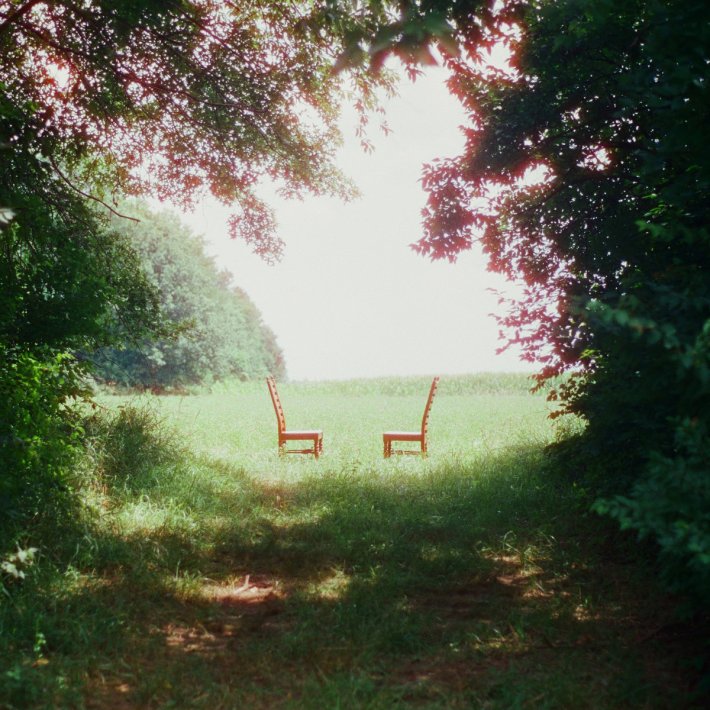
That’s where the empty chair came in. My therapist gave me this idea to try to simulate this conversation with an empty chair and just see if that unlocked anything — not just for the songwriting, but just within my own processing of life and all of these big changes that my family’s been going through. Luckily for me, that experience of having this conversation with an empty chair did also really unlock some things, and I figured out what I wanted to say in the context of the song. I was able, under the wire, to get the lyrics finished. I’m so grateful for the way that this song came together in the recording process.
We didn’t have as much time to rehearse it as some of the others. We knew we wanted to record these songs live in the studio, and I was a little nervous that this one would really work out, approaching it that way. It all came together in a way where we were able to get it down to tape in a more piecemeal fashion, instrument by instrument, and that lent itself to this outro that blooms out of nowhere. We didn’t plan for that. The length of time that goes was very undefined. It’s so cathartic. I love the way it builds. Even Dave’s solo at the end of the song, linking the body of the song to the outro was super unplanned. He recorded that on the last day that we were with Chris.
It just feels like one of those things that you can’t control, these happy accidents that happened in the studio. For as much as some of the other moves that we made and choices that we deliberated upon were planned, this one. When I listen back to the recording, it feels pretty magical to me. There’s a lot of stuff that happened that we didn’t talk about or anticipate. Chris Walla mixed this one, and he really left it alone, and what I wanted. It feels very sincere and true to life. I can hear us in the cabin and. I’m excited for people to hear it. Excited and nervous.
9. “What’s Right?”
This one is another musical contrast from what came before. It’s more concise and deliberate.
STEINER: There’s definitely a musical contrast. This song starts with these really, really tight, dead drums, and that was something we were really excited about. There’s a cool spot in Electrical Audio, this isolation room. They call it Alcatraz. They’re like, “OK, we’re throwing you in Alcatraz, at least for the start of the song.” At the same time, though, it does feel like this expansive night drive in the desert. To me, the song is like transported somewhere totally different from the one before, which is pretty exciting and psychedelic. At the same time, it is deliberate, but that question mark is really important. I’m saying, “I won’t say what’s right.” It’s all about wondering still.
In the press material, you mentioned the War On Drugs, and it’s got a real satisfying classic rock thing, a chug working for it.
STEINER: Totally. This is a song that I’ve always wanted to write — this high-speed, straight-ahead song. And even though it is straight ahead, it goes to these bizarre places. The image in my mind is this two-lane road at nighttime. You’re seeing the stars, and all of a sudden there’s these red rocks out of nowhere. You’re straight ahead for a long time, and then eventually you’re curving your way through a canyon. It’s a really old idea, too, that I am so stoked has finally found its place, like. This was from August 2019, having this little chord progression and idea. It took a long time to figure it out.
Is it like scratching an itch when you finally finish something like that?
STEINER: Dude, yes. This is the one that I listen to the most from the record. I’ll indulge. I don’t mind. I’ll get high on my own supply. I love listening to this song almost because I can’t believe it’s real. I brought this to the table for The Window. Didn’t come together. Brought this to the table for this record at the first demo session. Didn’t come together. Couldn’t figure it out, or it just didn’t even feel appropriate. We just couldn’t. It didn’t make its presence known. I’m just so stoked. This came together very late in the process. Chris Walla got it right away. the idea of combining these two ideas. The outro or back half of the song was originally a separate demo, and we sort of smashed them together. He had that idea separate from us having that idea, and as soon as he suggested that, we were like, “Absolutely, you get what we’re trying to do here.”
You’ve got a line on there: “End these thoughts of desperation, embrace hell.” It’s a cool line. It sounds hard.
STEINER: I’m writing about hell a lot. I don’t know why. Every record we have, I’m talking about hell at some point or other. I think about hell all the time.
Yeah, man. A lot of people deserve to go to hell, you know?
STEINER: I know. You hope they do, straight up. Hopefully not me. Hopefully not you. We’ll see.
10. “Burn It Down”
This song has two guitar solos. The first one is a little more frenetic, and then the second one is calmer.
STEINER: We were thinking about the image of a fire in the song. That climax in the middle of the song, that huge guitar swell and Dave’s solo is the moment when the fire is its biggest and brightest and burning almost out of control, and you step back and there’s that tiny, tiny instant of fear. Then the outro of the song, we think of as those minutes or hours, even, of watching the fire die and the embers glowing. You don’t even realize, maybe, as it’s happening that the fire is going out. I was very insistent on fading this one out — just that idea that you never actually see a fire die. The moment that it happens is almost either imperceptible or you’ve gone to bed. Well, maybe you should put out the fire if you’re camping. You know what I mean. It’s just a moment that almost doesn’t happen.
So the metaphorical fire on this one is a campfire. I was definitely picturing a little kid lighting stuff on fire.
STEINER: Oh, it’s any kind of fire. I was thinking about the fires that were happening in 2020 in Minneapolis in response to the murder of George Floyd. The original genesis of this song happened in real time during those protests. This is one of those songs that even predates The Window. We were thinking about finishing it for that record, and it just didn’t feel right at the time. The metaphorical fire extends to this idea of a radical institutional reset — the idea of fire as cleansing. Even in the context of a controlled burn or a forest fire, how much good that can actually do to bring about new life. Obviously, it’s pretty zoomed out. But it feels necessary to talk about, especially these days.
It’s crazy that this is coming out when they’re killing more people in Minneapolis.
STEINER: It’s fucking nuts. We recorded this song a year ago, in the very early fledgling days of Trump’s second term. It felt very timely then. And now to look around and see how far things have gone in the direction of authoritarianism and violence for the sake of it, it’s disgusting. On the one hand, we feel grateful that we have a song that we can play each night that allows us the opportunity to speak about these things, to rally people and make sure we ourselves aren’t alling victim to apathy. I think that’s the biggest thing because it’s so easy to doomscroll and feel powerless and like there’s nothing to be done. But even just being in a room with people and talking about what’s happening, the reality of our country, is extremely powerful and important. So that’s our plan.
The first time we played this song live was two days after Trump got elected. We played it in Grand Rapids. I should say his election in 2024. The fact that he’s been elected twice is just indescribably ridiculous. It felt immediately very important for us to play that song, and luckily it seemed to resonate with the people in the audience, not just us. We’ve been playing it ever since then and look forward to doing it.
I think there’s hope at the end of this. It’s not just destruction for the sake of it. It’s the idea of transformation or building something better in place of what we have. It’s possible. It is. I mean, god, look at history, and look at the world around us. We don’t exist in a vacuum. Even though people would maybe prefer that we do. Maybe half of our country would feel that way. I think there is hope at the end of the day, and that’s one of the reasons that we wanted to end the record with the song — to hammer that idea home that even after the forest burns down, it’ll grow back. And perhaps it’ll grow back filled with relationships of genuine care and understanding, as silly as it might sound to an adult.
11. “At Peace In The Hundred Acre Woods”
STEINER: For me, the image of Winnie The Pooh and all of his buddies and Christopher Robin, that sort of non-judgmental friendship, that’s like what they embody for me. [This song] is this exhalation at the end of everything and this moment of contentment.
You say, “It doesn’t hurt so bad when I’m with my friends” on the song. In Winnie The Pooh, that’s a fantasy. But you have a band, and you seem to me like the type of band where you all like each other and hang out when you’re not touring. That’s got to be a real resource. Not everybody has that.
STEINER: Totally. That’s so true. Like you said, the story of Winnie The Pooh is about this child assigning life to his stuffed animals — this fantasy or this utopia in a sense. But I grew up reading those stories, and the main thing that really stuck with me from that is just the way that they treat each other. It’s funny and and pure and also really devoid of judgment or antagonism. It’s a very patient friendship.
For me, it’s just like, why can’t we live this way? And not just with the people we love and know deeply, but with everyone. Like, this is how I wish to be treated and how I try to treat others. Maybe it’s naive to think, but I really do believe that if we prioritized giving each other grace and time and trying to see the best in our friends and in the people that we meet on a daily basis that life would be better. Obviously, reality is complicated, but I don’t think it’s too much to ask. It’s just a vision for what I feel the future could be. It feels like a nice place to end the record, just thinking about the possibilities of new life after the burn.
Last year, sexy drill innovator Cash Cobain worked with big stars like Justin Bieber and Drake, and he took his own horny party music into psychedelic, aqueous zones on singles like “Trippin On A Yacht” and “Hoes Be Mad.” Every time I write about this guy, I feel like I’m gooping on ya grinch, but that’s how this shit goes. Some people make music that’s both intriguingly weird and stupidly hedonistic, and Cash Cobain is one of those people. Anyway, he dropped a new single yesterday.
Right now, Cash Cobain is building up to the release of a new album called Party With Slizzy. His new single “Wish” is a fine example of Cash Cobain’s current style. The lyrics are all celebratory gloating, but Cobain chants them in a vaguely downcast Auto-Tuned monotone. His beat samples the mournful piano from Three 6 Mafia’s 1997 classic “Late Nite Tip” and makes it more minimal. The chaotic, seemingly AI-edited video takes place at a rowdy ski-lodge party, and there’s a teaser for another song at the end. Check it out below.