fmka.pro

Justin Bieber’s “Peaches” (Feat. Daniel Caesar & Givēon)
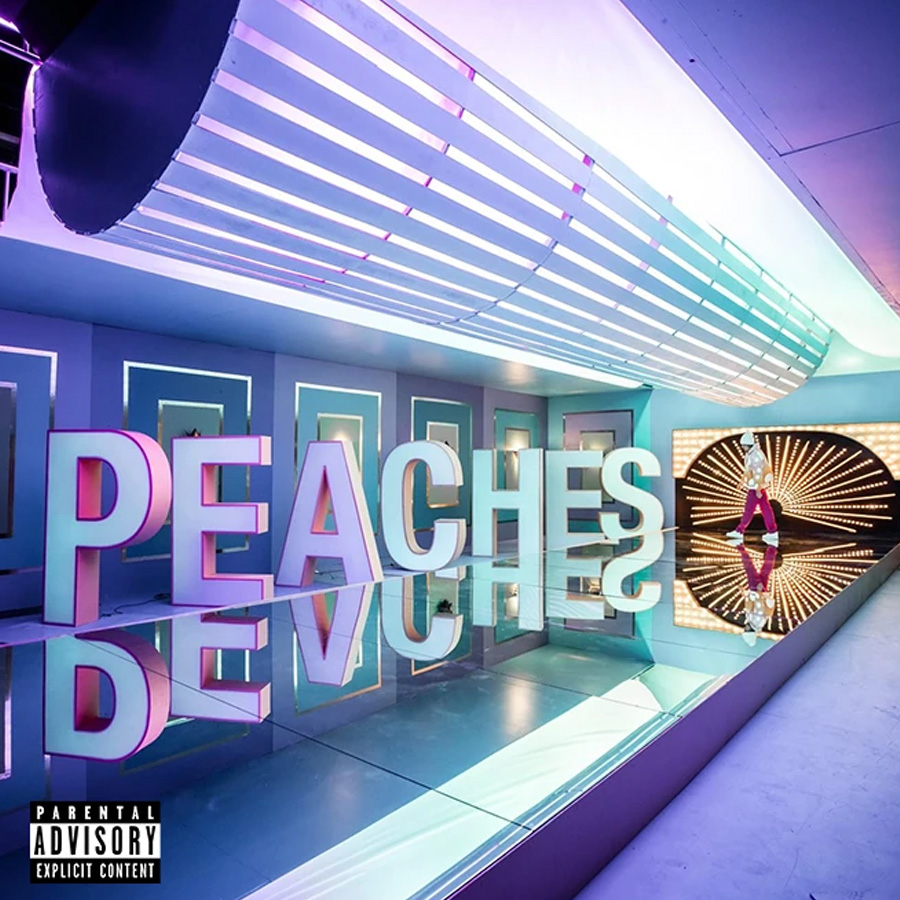

In The Number Ones, I’m reviewing every single #1 single in the history of the Billboard Hot 100, starting with the chart’s beginning, in 1958, and working my way up into the present. The column is now biweekly, alternating with The Alternative Number Ones on Mondays. Book Bonus Beat: The Number Ones: Twenty Chart-Topping Hits That Reveal the History of Pop Music.

“Peaches,” baby! Millions of peaches! Peaches for me! Millions of peaches! Peaches for free! Peaches come from a can! They were put there by a man! In a factory downtowwwwn! Wait. Wait, no. Sorry. My bad. Wrong “Peaches.” The Presidents Of The United States Of America’s “Peaches” came out in 1995 and, one year later, crossed over from alt-rock novelty hit to mainstream novelty hit, reaching #29 on the Hot 100. That’s not the “Peaches” that we’re talking about today, though. Sorry if you got excited. (There’s an Alternative Number Ones column about a different Presidents Of The United States Of America song, if that helps.)

Justin Bieber’s “Peaches” has absolutely nothing to do with the Presidents Of The United States Of America’s “Peaches,” but the two tracks do have one tiny but significant thing in common beyond their identical titles. On these two “Peaches” songs, both Justin Bieber and lead President Chris Ballew are singing about actual peaches. The peaches of these two songs are not metaphorical butts. They are just peaches, the kind you find in the grocery store. This feels significant. I haven’t done a scientific breakdown or anything, it seems like most of the peaches that have been referenced on pop songs throughout history are actually butts. But on the two most famous songs called “Peaches,” the peaches are peaches. Maybe there’s a lesson somewhere in there. Americans obviously like butts, but sometimes we just like peaches also.

It’s not that Bieber and Ballew don’t like butts. There’s maybe a little bit of eyebrow-waggling naughtiness at work on the Presidents Of The United States Of America’s “Peaches.” And Bieber has sung about butts plenty of times in his career. His “Peaches” is mostly a starry-eyed love song to his wife Hailey Bieber, née Baldwin. They got married in 2018, and they’re still together today, which means they’ve already beaten the odds, at least as far as celebrity relationships go. But the line on Bieber’s “Peaches” that gave the song its name goes like this: “I get my peaches down in Georgia.” Hailey does not come from Georgia.

On “Peaches,” Bieber could be singing about going to Atlanta and meeting girls, but he’s probably not. In the second half of his career, Bieber’s main lyrical theme, at least aside from his faith, is his monogamous devotion to his wife. That’s the context. So it seems safe to say that he really does just go to Georgia to get peaches, or at least that he imports those peaches specifically from Georgia. He’s too much in love to chase the other kind of peaches. That’s nice, right? Unfortunately, the song is pretty bad.

Justin Bieber’s “Peaches” is pure song-machine pop product that was originally birthed during a spur-of-the-moment jam session. That’s probably true of many song-machine pop products, but in most of those cases, the lead artist was not one of the people involved in the jam session. According to co-writer Andrew Watt, who has already been in this column for working on Camila Cabello’s “Havana” and Cabello and Shawn Mendes’ “Señorita,” the “Peaches” process started when Bieber was over at his house and he suggested that Bieber jump behind the drums.

During the time that he started recording “Peaches,” Justin Bieber was still near the peak of his pop-star career, though not quite as hot as he’d been when his Purpose album sent three consecutive singles to #1 in 2015 and 2016. Bieber’s long-awaited Purpose follow-up Changes came out just before COVID hit in 2020, and it didn’t send any singles to #1, though a couple got close. Later that year, Bieber and Ariana Grande did top the Hot 100 with the instantly forgotten pandemic-pandering charity duet “Stuck With U.” And as Bieber geared up for another quick-turnaround album release, his singles kept hitting.

In September 2020, Justin Bieber re-teamed with Chance The Rapper, his collaborator on DJ Khaled’s chart-topper “I’m The One,” for “Holy,” an outright religious love song that reached #3. (It’s a 6.) A month later, Bieber showed up to yodel sadly on the spare and regretful “Lonely,” a song originally released by superstar producer and past Bieber collaborator Benny Blanco. That one later appeared on the next Bieber album, and it peaked at #12. The video, in which the eerily gifted child actor Jacob Tremblay plays a young Bieber, is pretty cute. (Benny Blanco’s highest-charting single as lead artist, the 2018 Halsey/Khalid collab “Eastside,” peaked at #9. It’s a 7.)

More hits followed. In November, Bieber jumped on the aforementioned Shawn Mendes’ single “Monster” and easily stole the track away from Mendes. (That song peaked at #8. It’s a 5.) On New Year’s Day 2021, Bieber released his own single, and adult-contempo quasi-rocker called “Anyone.” That one got a big rollout, with a period-piece Colin Tilley video where Bieber played a boxer and Zoey Deutch played his love interest, and it made it to #6. (It’s a 6.) Another Bieber single, “Hold On,” dropped in March and peaked at #20.

All of those singles are pretty anodyne, and none are especially memorable. Taken together, they worked as a signal that Bieber was ready to play ball, that he was willing to make bland pop-star music if he could be received as a pop star. When the 2021 Grammy nominations came out, Bieber made a bit of a stink about how he was nominated in pop categories and not R&B ones when he really considered himself an R&B singer. But most of those singles barely carried any trace of R&B. They were solid, unremarkable pop songs that could fade unobtrusively into any background. The whole string of singles led up to the mid-March release of Bieber’s album Justice, and the one track from that record that really popped was “Peaches,” the one that came out on the same day as the LP.

Back to that jam session. Shortly after the release of “Peaches,” Andrew Watt told Billboard about the track’s origins. While Bieber was at Watt’s home studio, Watt asked Bieber to try playing something on drums. Bieber had been playing drums since his child-star days; the instrument was a part of his early live show. Bieber knocked out a drum beat, and Watt looped it up. Then Bieber played a piano melody, and Watt looped his chords, added them to the drums, and put in his own bass and guitar parts. Bieber went into the vocal booth and improvised, and what came out was the hook: “I get my peaches out in Georgia/ I get my weed from California/ I took my chick up to the North, yeah/ I get my light right from the source, yeah.”

There’s some light transgression at work on “Peaches.” It’s Bieber, a former child star, singing about smoking weed, but that’s pretty light, as far as transgression goes. California legalized weed in 2016, and god knows there were plenty of pop songs about it in the decades before that. On the ad-libs, Bieber refers to his wife as a “badass bitch,” and that sort of thing doesn’t fly in every marriage, but he clearly means it affectionately. In addition to the weed and the peaches, Bieber tells us that he brought his wife back home to Canada and that he gets his inspiration from God. If anything, it’s almost cloyingly wholesome, even with the drugs and the cussing.

On that hook, Bieber basically identifies himself as a grown-up, faithful party guy. And then he does it again and again and again. His “Peaches” chorus is light and comfortable and way too catchy, and it gets stuck in my head more often than I would like. On the finished song, Bieber repeats that chorus six times, and I really wish he would’ve cut a couple of those. That’s how a catchy hook becomes an annoying one.

In September 2020, Justin Bieber posted an Instagram video of himself singing that “Peaches” hook and accompanying himself on piano, with the caption “Lil idea vibe.” Luis Manuel Martinez Jr., a producer known professionally as Shndō, heard that snippet and decided to do something with it. Shndō had a few miscellaneous credits — a Chris Brown deep cut, a Cardi B mixtape track — but he wasn’t exactly a known guy. Honestly, he’s still not. He took the audio from Bieber’s Instagram video, added drums, and sped it up slightly. Fellow producer Brandon Harvey, who goes by the name Harv, added some stuff, too. Bieber and Harv go way back. Harv, a Kansas City native, was the bassist in Bieber’s touring band when Bieber was just starting out, and he started producing tracks on Bieber’s 2020 album Changes. Harv is the one who showed Bieber the remixed version of the “Peaches” snippet.

If I had to guess, I’d say that Bieber already planned to turn “Peaches” into a full song. Operating on spec, Shndō and Harv gave him one idea how the completed version would sound. Bieber loved it. He used their instrumental track to re-record his chorus, and then he wrote a first verse all about how he loves his wife. Then he reached out to two vibey young R&B singers, Givēon and Daniel Caesar.

Those two guys are about the same age as Bieber, but they weren’t child stars like him, so both of them were still pretty new in 2021. Rather than going through management, Bieber recruited both singers by himself, serving as his own A&R guy — a rare thing for a star of his stature. Since we now have these two other singers on this song, it’s time for a couple of quickie capsule biographies. But Givēon and Daniel Caesar don’t have insane stories or anything. This is a spoiler, but the next few paragraphs mostly just amount to “these guys are good at singing, and they have had a pretty good amount of success at it.”

Givēon was Bieber’s first choice to appear on “Peaches,” so let’s start with him. Giveon Dezmann Evans is a smooth, moody baritone from Long Beach, California. (When Givēon was born, TLC’s “Creep” was the #1 song in America.) At 18, Givēon took a music course through the Grammy Museum and realized that he loved the music of Frank Sinatra, an artist who’s been in this column a couple of times. He started out trying to sing like Sinatra, and even though I don’t hear a whole lot of that influence in the music that he’s taken to the market, it’s still fun to think about.

Like a lot of people his age, Givēon started out posting tracks on SoundCloud, and that’s how he was discovered by Sevn Thomas, a producer who’s been in this column for working on Rihanna and Drake’s “Work.” Thomas signed Givēon to his Epic imprint Not So Fast, and Givēon’s debut single “Garden Kisses” came out in 2018. In 2020, Givēon really got his big break when he improvised a track in the vocal booth and Thomas brought it to Drake. Drake turned that improvised track into “Chicago Freestyle” one of the better moody-Drake songs to come out in the past decade or so, and it peaked at #14. Givēon also released his debut EP Take Time in 2020, and his EP track “Heartbreak Anniversary” earned sleeper-hit status, eventually reaching #19.

Justin Bieber had never worked with Givēon before “Peaches,” but he had at least some experience with Daniel Caesar, the second singer that he recruited for the song. Caesar was born Ashton Dumar Norwill Simmonds. He grew up in Ontario, just like Bieber, and he named himself after Julius Caesar and the Biblical Daniel, the one from the lions’ den. (When Caesar was born, the #1 song in America was Madonna’s “Take A Bow.” In Canada, it was Sheryl Crow’s “Strong Enough.” Canada wins this one.) Caesar’s father had been a teenage gospel sensation in Jamaica, and Caesar grew up in a strict Seventh-Day Adventist family in Oshawa, outside Toronto. He sang in church as a kid, but his home life was rough, and he took off on his own as a teenager.

Once he left home, Daniel Caesar was determined to make it in music. He met a couple of producers, started putting tracks out, and built a bit of internet buzz. His style of spacey, indie-friendly R&B had a cultural moment in the mid-’10s, when he was first releasing music. On his 2017 debut Freudian, Caesar worked with peers like Kali Uchis, Syd, and Charlotte Day Wilson. A couple of his Freudian singles charted in the US. The biggest of them, the spare and elegant H.E.R. duet “Best Part,” reached #75. Pretty song! (H.E.R.’s highest-charting single, the 2019 YG collab “Slide,” peaked at #43.)

Caesar’s 2019 sophomore LP Case Study 101 didn’t have any Hot 100 hits, but it did have collaborations with people like former Number Ones artists Pharrell and Brandy. Caesar also got a co-writer credit on “Monster,” the aforementioned Justin Bieber/Shawn Mendes debut. Much like Givēon, he was in the mix.

Before and after “Peaches,” both Givēon and Daniel Caesar were widely respected R&B journeymen who got Grammy nominations and did decent numbers, but they weren’t really part of the same pop universe as Bieber. It’s telling that Bieber, operating on his own, thought to include both of these guys on “Peaches.” When Bieber’s collaborators tell stories about how he went outside the system and masterminded “Peaches” entirely by himself, it’s nice to think that this onetime pop product was taking control of his career, making the kind of music that he wanted to hear. But that narrative doesn’t account for the whole mob of people who got songwriting credits on “Peaches.”

I’ll try to map this out as best I can. Justin Bieber is one of 11 credited songwriters on “Peaches.” Andrew Watt, the producer who got him freestyling in the first place, is another, as are Shndō and Harv, the song’s two actual producers. Givēon and Daniel Caesar are in there, too; that brings us to five. Louis Bell, the frequent Andrew Watt/Post Malone collaborator who has already been in this column a ton of times, is also listed. So are Toronto singer/rapper Sean Leon and songwriter Keavan Yazdani, two frequent Daniel Caesar collaborators. So is Harv’s wife Felisha Harvey, a member of the ’00s R&B group Cherish. (Cherish’s highest-charting single is “Do It To It,” a pretty fun Ciara-esque 2006 track with Youngbloodz member Sean P; it peaked at #12.) Someone named Vincent Massi is also credited as a writer, and I can’t figure out who he is. There’s a stuntman named Vincent Massi, but I don’t know whether it’s the same guy.

Point is: Many, many people were apparently needed to help write “Peaches,” which undercuts the idea that Bieber came up with most of the song in a moment of studio-time inspiration. “Peaches” eventually got a Song Of The Year nomination at the Grammys, and it broke the record for the nominee with the highest number of credited songwriters. What did all these people do?

I can’t tell you. This column has covered a lot of songs with small armies of credited songwriters. I never quite understand it, but sometimes I at least get the sense that all of these professionals have been brought in to maximize the track’s impact. Songs like that are supposed to be industrial-strength earworms, and I guess “Peaches” qualifies, but it doesn’t really play that way. Instead, “Peaches” is a soft and playful lope. It floats along on fingersnaps, tootly flute samples, and the type of hesitating bassline that I still associate with the jazz-inflected boho-rap of the ’90s. Bieber and his collaborators sing the melodies beautifully, and their slight tonal differences complement one another. Bieber really does sound comfortable, as if this kind of warm and contented R&B is what he always wanted to sing.

Here’s the important thing about “Peaches,” though: It’s fucking annoying. The people involved in the track all do their jobs. They conjure vibes. Everything hovers pleasantly — everything, that is, except the chorus. But the chorus is an evilly sticky little thing that digs into my brain like a microscopic glass shard stuck in my sock. The rest of the track, accomplished as it is, fades right into the background, but the chorus always jumps right out at me in ways that I don’t appreciate.

Right now, I’m in a bad mood because I’ve had to listen to “Peaches” a bunch of times to write this column and I just know that it’s going to be revolving in my head for the rest of the day, grinding away at my brain and making my life less pleasant. I have called “Peaches” a stupid song in casual conversation before, but that’s not right. It’s not stupid. It has to be smart, at least on some level, to get stuck in my head the way that it does. Instead, it’s a well-made piece of music that I find to be personally irritating. We all have songs that just bug the shit out of us for reasons that we might not be able to properly describe. I have now written thousands of words about “Peaches,” and I still can’t tell you quite why it gets on my nerves the way that it does. It’s just one of those things.

“Peaches” is a hit, though. I can’t take that away from it. Justin Bieber knows how to sell a hit. In March 2021, he did a Tiny Desk Concert for NPR, performing remotely with his backing band, including Harv on bass. He sounded great, and he performed “Peaches” for the first time, accompanying himself on keyboard. (Givēon and Daniel Caesar weren’t there.) Bieber, Givēon, and Caesar also shot a “Peaches” video with director Colin Tilley. It’s got a lot of pretty neon lights, and it’s got Bieber at his handsomest and most charming. The song immediately had enough juice to debut at #1. Later in, Bieber released a “Peaches” remix with Usher, Ludacris, and Snoop Dogg, three pop elders who have been in this column a bunch of times. “Peaches” only got a week at the top of the Hot 100, but it lingered in the top 10 for months and eventually went quadruple platinum. In 2022, Bieber sang a listless piano version at the Grammys.

Bieber’s Justice album is a boring slog that’s randomly got a bunch of samples from Martin Luther King, Jr. speeches. That’s not really something that white pop stars are supposed to put on their records, and it’s about the cheapest way of conveying sincerity that I can imagine. Nevertheless, the album was a commercial success. It eventually went double platinum, and it spawned one more hit, the Weeknd-esque Spotify-core ’80s pastiche “Ghost.” The late Diane Keaton was in the video for that song, which peaked at #5. (It’s a 6.)

After the Justice album cycle, Bieber went away for a while. He cut ties with many of his longtime associates, including manager Scooter Braun, and he once again became a figure of overstated tabloid alarm. He finally reemerged last year, making some genuinely weird and interesting music — music that, much more than “Peaches,” sounds like the work of someone who has really worked to remove himself from the machine. But we’ll talk more about that music another time, since Bieber will be back in this column soon — not for one of his own songs but for an appearance on a track from a young associate.

As for Givēon and Daniel Caesar, both of those guys are still doing just fine for themselves, but I doubt we’ll see either in this column again. They’ve got one platinum album apiece. Givēon has been the lead artist on a handful of minor hits, and he’s been back in the top 10 once. Later in 2021, Givēon and Lil Durk appeared on Drake’s Certified Lover Boy track “In The Bible,” which peaked at #7. (It’s a 4.)

Daniel Caesar has been following a slightly artier career path, but the commercial results are pretty similar. Late last year, Caesar released Son Of Spergy, an ambitious but not-that-exciting album with contributions from folks like Bon Iver, Blood Orange, and Sampha. He made it to #52 with his Son Of Spergy song “Who Knows.” Caesar also made it back into the top 10 as a guest on someone else’s single. In this case, it’s Tyler, The Creator’s “St. Chroma,” which peaked at #7 in 2024. (It’s an 8, and it’s Tyler’s highest-charting song.)

Lately, this column has covered a lot of big-name artists’ noisy event-songs that debut at #1 and then disappear. Bieber has a bigger name than almost anyone, but “Peaches” isn’t really an event-song. Instead, it’s the work of an artist still trying to figure out his lane even though he’s been at the top for half of his life. He gets help from people he admires, and he chases inspiration wherever he can find it. On paper, that’s interesting. Too bad I just don’t like the song. If I had my little way, I’d avoid “Peaches” every day.

GRADE: 4/10

BONUS BEATS: I have never watched the Netflix show Ginny & Georgia, but my wife and daughter have. From what I can tell, it’s a bit like Gilmore Girls if that show was Southern and trashy and full of murder. Google tells my that Ginny & Georgia fans call themselves Peaches, so naturally the show had to feature “Peaches” at some point. Here’s Antonia Gentry and Sara Waisglass dancing to “Peaches” in a 2023 episode:

The Number Ones: Twenty Chart-Topping Hits That Reveal The History Of Pop Music is out now via Hachette Books. If you can cut into your peaches out in Georgia/weed from California budget, buy the book here.

Cardinals, Avalon Emerson, And The Week’s Best New Songs: Listen


Healing from a proper breakup can be tough, but it’s also hard grieving the potential of a relationship that never fully came to fruition. I think of those situations when I listen to “Jupiter And Mars,” the latest song from DJ Avalon Emerson’s recently revived indie pop project the Charm. Co-written and co-produced with Rostam Batmanglij, the instrumental is equal parts jangly and dance-floor ready, and Emerson’s airy vocals bids farewell to the one that got away — that is, assuming, the person in question was ever really there at all. “I reckon it was written in the stars/ So you can take it up with Jupiter and Mars,” she sings. “Baby, nothing gained is nothing lost.” As Emerson tells it, it’s best to let those “what if” moments turn to dust. —Abby


Charli XCX ‘Wuthering Heights’ Album Review


Charli XCX is no stranger to the movies. Before her post-Brat pivot to the big screen that’s seen her team up with arthouse heroes like Gregg Araki and Takashi Miike — and not to mention co-creating and starring in a film of her own — Charli has dotted her professional career with sugary, on-the-nose soundtrack contributions: “I’m going skiing even when the slopes are closed,” she winked during the rolling end credits of 2022’s slasher comedy Bodies Bodies Bodies. The following year, she made “Speed Drive” for Greta Gerwig’s Barbie and co-wrote the music for the coming-of-age teen comedy Bottoms. Just don’t get her started on “Boom Clap.”

Charli’s first record after summer 2024’s zeitgeist-defining Brat is Wuthering Heights, released over Valentine’s Day weekend in conjunction with Emerald Fennell’s film of the same title. One of dozens of screen adaptations of Emily Brontë’s 1847 novel — the only novel the English writer published before dying a year later — Fennell’s take is, frankly, a disjointed mess (light spoilers ahead). It’s too hasty to be the erotic thriller that Saltburn fans expected, its humor is too faint even for a black comedy, and it’s too aesthetically underdeveloped to leave any lasting visual impact. I think Fennell wanted to reimagine Wuthering Heights in the vein of Sofia Coppola’s Marie Antoinette or Baz Luhrmann’s Romeo + Juliet, both thrilling films that toy with contemporary context while remaining faithful to their source material. You have to have a razor-sharp creative point of view in order to pull off that balance. You might have to be someone like Charli XCX.

In the winter that followed Brat Summer, Emerald Fennell reached out to Charli about doing original songs for Wuthering Heights. Charli, understandably overwhelmed thinking about what sort of musical direction she’d take after Brat, said yes. “I think whatever I do next will just inherently be different to Brat because that’s what feels natural,” she said on the Goop podcast last November. “I’m exploring a lot of stuff with strings at the moment, which I’m really enjoying, and I haven’t really worked in that space before.” That same week, Charli released Wuthering Heights’ lead single “House.”

“House,” one of the album’s strongest moments, backdrops the film’s opening scene and has already had its 15 minutes of viral TikTok fame thanks to its brash, foreboding opening lines: “I think I’m gonna die in this house,” Charli repeats in unison with the Velvet Underground’s John Cale, who gives a subtly-theatrical spoken word introduction over plunky, screeching strings that wouldn’t feel out of place on Lingua Ignota’s Sinner Get Ready. Before the track’s end, though, we’re reminded that this is the same artist behind Brat: Charli’s vocals are distorted into oblivion, and we start to hear the production fingerprints of her frequent collaborator Finn Keane (aka Easyfun) poke through in punchy, programmed percussion.

At some point after Fennell asked Charli to contribute music to Wuthering Heights, Charli raised that request and inquired about making a full-length concept album. From a creator’s standpoint, it’s a brilliant way to follow up Brat. Its ambiguous association with the film invokes inherently lower stakes, but defining it as a “concept album” still grants Charli a considerable amount of creative freedom that a proper soundtrack album might restrict. Most of what we hear in the film Wuthering Heights, for instance, isn’t Charli’s songs but Anthony Willis’ string-laden score. 

Across Charli’s Wuthering Heights, however, strings act as a nebulous anchor to the story’s late-18th century setting. She approximates the drama of a full symphony on the album’s centerpiece “Chains Of Love,” where they swirl over metallic production that feels distinctly Charli. On songs like the revved-up, scintillating “Dying For You” or the whimsical “Seeing Things,” those strings nearly take the place of synths texturally. They add a welcome gothic touch on late-album standout “Eyes Of The World,” over which Sky Ferreira’s guest vocals feel right at home, and I like the atmosphere they bring to the Joe Keery co-write “Funny Mouth.”

Having read Fennell’s Wuthering Heights screenplay before writing the album, Charli makes some clear allusions to the film across the album: Lines like “You take me out of myself/ My fingers gripping the floorboards” on the dizzy-in-love “Out Of Myself” make the most sense having seen Fennell’s Cathy and Heathcliffe grip floorboards on screen. But the record’s biggest downfall might be its association to the film: Neither a proper soundtrack album, nor a proper studio follow up to Brat, it’s a good but not particularly memorable stopgap release that’ll almost certainly get overshadowed by whatever musical endeavor Charli does next. Until then, it’s best to think of her Wuthering Heights and Fennell’s movie the same way: Loosely-defined passion projects with some brief allusions to one of history’s most famous love stories. Between the two, Charli pulls it off much better.

Wuthering Heights is out now via Atlantic.


Cork, Ireland Band On Debut Album ‘Masquerade’


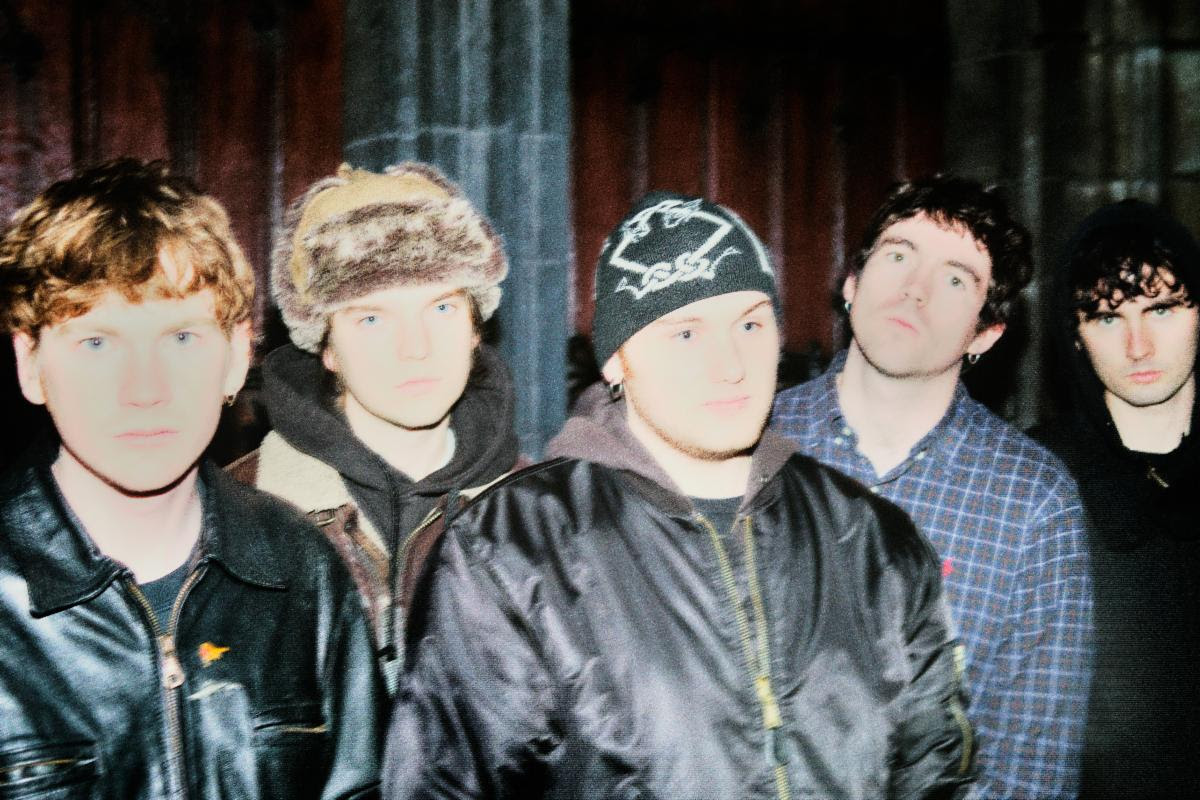
Cardinals speak about their songs as if they have a life force. For this band, though it can come off as evasive, creative ambiguity is a kind of protection for artist and listener alike. Vocalist-lyricist Euan Manning explains: “We like the ambiguity. If someone read there was a certain meaning that—” “You have to interpret it this way,” his brother and the band’s accordionist Finn Manning interjects. Euan carries on: “Not even that you have to, but someone would think that they would have to, if the artist said that was what the song was about. I think that that harms the song. It harms the listener’s relationship with the song.” For the Irish quintet, meaning isn’t something to dissect, it’s something to conserve.

We’re gathered around a wooden table at a spacious pub in Islington, London, to talk about their debut album Masquerade, which is out today on So Young Records. During our chat, all five members are present: Finn and Euan, drummer Darragh Manning (who is their cousin), plus two old friends from school, bassist Aaron Hurley and guitarist Oskar Gudinovic. Cardinals are serious when it comes to the songs, but they’re fun to talk to. They tease each other with self-deprecating humor, peppered with references to movies like Good Will Hunting and The Curious Case Of Benjamin Button. Somehow there’s a running bit that Gudinovic is like the protagonist from the latter.

The black and white two-toned room is dappled with mid-afternoon sun, surrounded by legends: Framed concert bills for the Jam, the Ronettes, Buzzcocks, and Morrissey line the walls. It’s a nice space, but not their kind of spot. But what makes a good pub?

“Someone you know working behind the bar that can give you free drinks,” Hurley swiftly offers. “Trend — trendyyyy?” Euan says as if he’s somewhat questioning the word choice but likes the sound of it. “Trendy, yeah,” Gudinovic confirms. “I dunno, a good atmosphere,” Darragh adds. “A good pub, I think, maximum four taps,” Finn says. “Smallest selection of beers. Old. No TVs. Minimal music. There can be music — depends. And you need to be able to have a good conversation.” That last one earns a chorus of agreement. They love a classic American dive bar, listing Sophie’s in New York’s East Village and Rocka Rolla in Williamsburg. At the latter they met an unsettling character named Travis O’Shaughnessy that they believed to be a dead man walking.

“I like a good English pub as well,” Finn offers last-minute. They all sigh in disagreement. “I don’t like English pubs,” a few of them repeat. Finn doubles down, “I like a good proper fucking boozer where they have cask ales.” None of them can be swayed. “At all?” Finn asks his bandmates. “No,” they say in unison. “Oh man, there’s some nice pubs,” his voice softly fades, vanquished.

To Cardinals, a pub isn’t necessarily about what’s on tap. It’s about compression: low ceilings, low light, low selection. Intimacy by limitation. It’s the grit, the wear and tear. The bar is its own character that becomes a haven for other unforgettable characters.

“Look at how big this room is,” Euan asserts. “And it’s so bright, and there’s so many different places to go, and it’s massive. There’s no coziness to it.”

Although cozy might be a weird choice to describe a grubby dive bar (and definitely a weird word to put next to Dead Man Walking O’Shaughnessy), it’s the perfect example of something that might present as coarse yet offers a unique comfort as a result. It’s rough, but it feels like shelter: It’s an embodiment of Cardinals.

Literal meaning seems to flatten the songs on Masquerade. But as a group Cardinals prize vulnerability, honesty, and authenticity. These three words are emphasized several times over the hour. It becomes clear that talking about the process or act is different, less an invasive dissection. “I think vulnerability is very important,” Euan says. “That was a realization that we had very early on when writing the record. I think it’s a big part of why the record is less straight indie rock, as was kind of put forward in the [2024 debut] EP. Vulnerability is, to me, the key thing that you must have in your mind when you’re creating something.”

While recording Masquerade at RAK Studios in London, Cardinals endured their share of discomfort while also being stripped of certain comforts. They recorded most of it over the intense period of nine days last June. It was during a grueling heat wave, and they didn’t get much sleep. They’d also dedicated themselves to sobriety during this period. Darragh laughs, “We made up for it in the end. We cycled halfway across London to find an off license that was open.” Finn adds: “It kept your head clear and stuff, you know, I think it was a good move to do. It would be fun to flip it on its head and, like, drink for every second of the next album and see what that’s like.”

Four of the group’s members were raised in Kinsale, while Darragh grew up in the North side of Cork city. “It’s like a snow globe. It’s not the real world at all,” Darragh says of his bandmates’ hometown. Everyone laughs. “That’s good. I like that,” Gudinovic says. Finn adds, “It’s a very wealthy sea town. Like sailing — pretty protestant.”

Even though Darragh is the only member that grew up there, Cork is the birthplace of the band. After playing music together growing up, Euan, Hurley, and Gudinovic moved to Cork for college. Finn headed off to Galway for school but eventually made his way to Cork too. They describe the city with a rugged fondness. “There’s a roughness to it,” Finn says. “Cork is a bit more take-it-or-leave-it. If you don’t like it fuck off,” he says.

“They’re very friendly, not overly friendly,” Finn says of Cork residents. “They’re very kind of proud to be from Cork and see themselves as Irish, but also actually from Cork. There’s a real sense of independence there, and that echoes in, like the small kind of grocers and the pubs and restaurants businesses there, and the art that’s there.”

When I ask them what they look forward to returning to after long stints of tour, Finn responds with a classic Cork City joint named Callanan’s. It also happens to encapsulate the city that they hold dear. “Family-owned for generations and generations,” Finn explains. “When we were describing our perfect pub. That was the model I had in my mind.” Euan cuts in, “We know the publican Rob, he’s lovely.” Finn continues: “It’s the cheapest pint and also the best pint. It’s amazing for sitting down and catching up with people you haven’t seen in a while. And I think it personifies Cork, really.”

You can hear that grittiness that Cardinals revere on Masquerade. It’s grandiose, but also a bit vicious. The accordion adds a theatrical intensity, and the guitars feel like thick shards of glass. The bass softens things. The drums keep the band pushing forward like a protective parent. The instruments braid themselves around the vocals, which are filled with kaleidoscopic ache. How Cardinals feel about explaining their songs is how I feel about describing a band’s sound through comparisons to other artists — it may not be that interesting, but sometimes it’s a necessary evil. So here goes: Cardinals are like folk hardcore. I hear the tension of Iceage, the confessional vulnerability of Bright Eyes, and the beautiful, strange intimacy of Elliott Smith. Fuck it, why not throw in a bit of Nine Inch Nails and Radiohead too?

Vulnerability, for these guys, isn’t just a lyrical concern — it’s an approach to the music itself. “I think it’s like waking up after a dream,” Hurley says, poetically, of the creative process. “You wake up and think about the dream you just made. Where did that come from? You find something out about yourself. It’s like letting your subconscious talk to you.”

Those moments of revelation do come through in the lyrics, too. The loud structures cage themselves around the words. “Put it in a song/ Cause it hurts beyond belief,” goes a line from roiling opener “She Makes Me Real.” On “I Like You,” Euan sings: “I won’t write the words past the margin/ When I sit down to write your song.” The act of writing, making songs detailed as preservation within the songs themselves. Whether addressing personal pain and heartache or larger quandaries like faith or morality, these songs are built formidably around human aches. Their strongest tracks (“Over At Last” and “As I Breathe”) transform them into moving odysseys. It is a feat of a debut.

Sitting with Masquerade feels like stepping into one of the dive bars Cardinals love: dimly lit, intimate, a little rough around the edges, but alive with character and memory. There’s grit and chaos, but also warmth and shelter. Maybe it will reveal more of itself over time. Or maybe it won’t, staying stubborn, rough, and true to itself.  

Masquerade is out now via So Young Records. Buy it here.


Ebbb Share New Song “Home Ground”: Listen


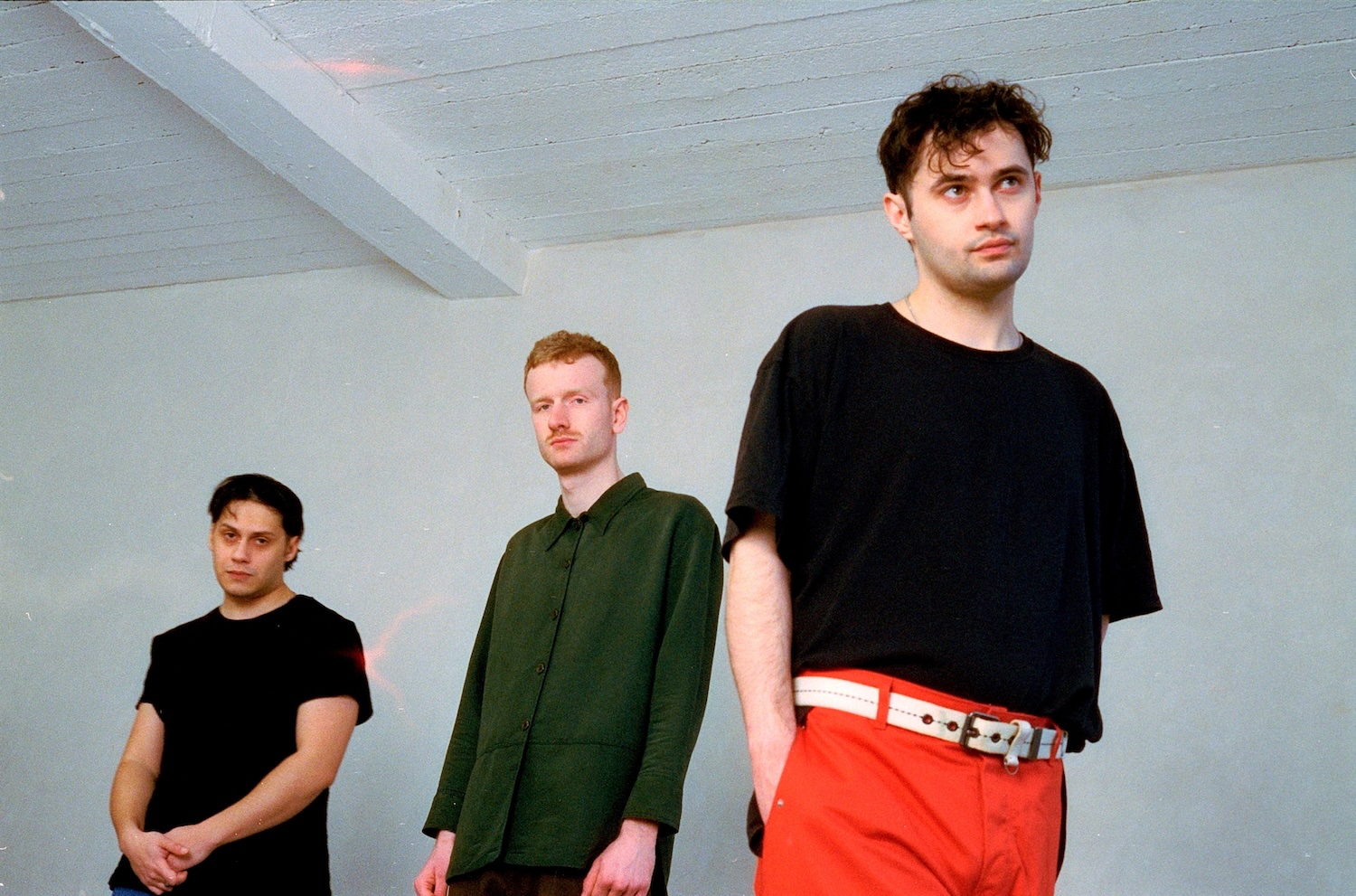
We’ve got a new dark horse contender in the hunt for the “worst band name I’ve ever seen in my life” championship. The London trio Ebbb came out of the Windmill scene, and they’re currently generating a whole lot of buzz with a series of singles on Ninja Tune records. The name is bad, but the songs are good. We posted their track “Book That You Like” a few months ago, and they’ve got a new one called “Home Ground” today.

“Home Ground” is a minimal track with a whole lot of organ sustain and some very cool vocal harmonies. It reminds me of a less-shaggy version of the Beta Band, and I like the haunted, hypnotic feeling. Singer Will Rowland says, “The lyrics explore overthinking and regret, contrasted with someone who lives free of shame or self-doubt. It actually started life as an instrumental we wrote a couple of years back. It never quite made sense back then, but we revisited it recently and rebuilt the song from the ground up and suddenly everything clicked. It felt like a bit of eureka moment where we unlocked what the song was always meant to be.” Check it out below.

TOUR DATES:
3/17 – Brighton, UK @ The Hope & Ruin
3/18 – London, UK @ Moth Club
3/19 – Bristol, UK @ The Croft
3/20 – Manchester, UK @ Gullivers
3/21 – Leeds, UK @ Mabgate Bleach
4/17 – Poznan, Poland @ Next Fest
8/09 – Neukirchen, Germany @ Skandalos

“Home Ground” is out now on Ninja Tune.


Division Of Mind & Eliminators Bring The Storm Before The Storm


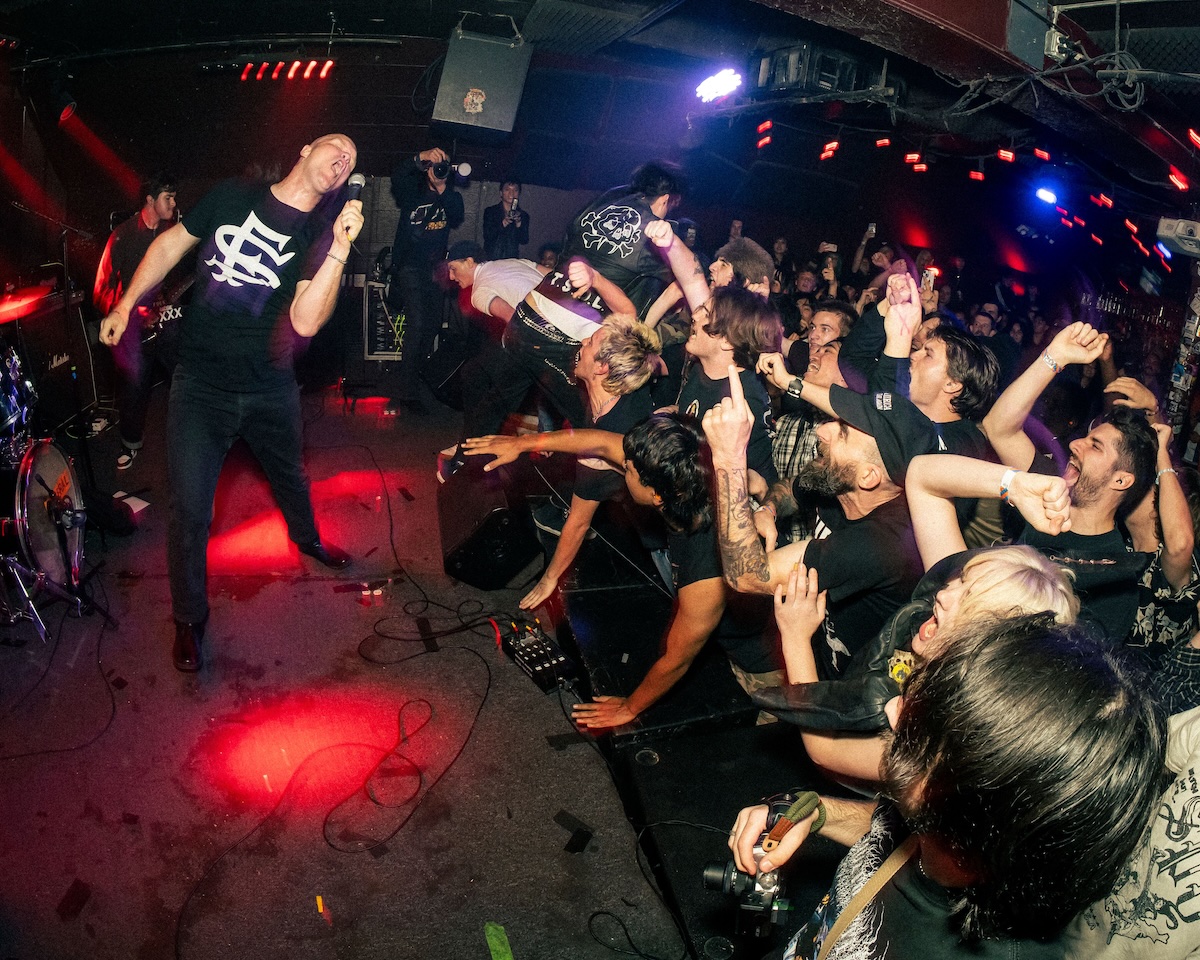
“Everyone’s a target!” That was something that Division Of Mind bassist David Jaycox bellowed during the first song of his band’s set at the Richmond venue the Camel last month. Those three words were an incitement, not an exaggeration. There’s video of DOM’s set on the internet, and it’s fun to watch, but it doesn’t come close to capturing how it felt in that room. I was by the door of the club, which is somewhat inconveniently right next to the stage, and it felt like the place was exploding. Bodies and limbs flew in every direction. The people in that room needed a violent, cathartic outlet, and that’s what a DOM show is.

Near the end of the set, Division Of Mind frontman Zachary Acosta-Lewis had a few words to say about what hardcore is, what it can do: “It’s been such a fuckin’ deluge of horror and terror and violence and horrible shit that gets beamed into that fuckin’ evil rectangle in your pocket every day.” Everyone’s a target. Allow him to continue:

The way this whole shit functions is that this entire infrastructure, this system, all these institutions that are supposed to protect you and give you your rights were designed very specifically to give you the impression that there’s no fuckin’ alternative to them, there’s no fuckin’ alternative to having your tax money go to drop bombs on fuckin’ people in Palestine and Iranians and people in fuckin’ Syria and everywhere else across this world that these companies and businesses fuckin’ bomb for profit, and everything else that makes you think you gotta work fuckin’ 60 hours a week, and you think you gotta be ready to get fuckin’ beat by ICE if you fuckin’ go outside while your neighbors are getting disappeared.

And I don’t have the fuckin’ answers! I know y’all think that shit sucks. I don’t have the fuckin’ answers. And I don’t know how to tell anybody — I’m not an activist or a protester or a fuckin’ politician or anything else. I’m just a fuckin’ hardcore kid. The thing that hardcore impressed upon me when I was a very young person was there is a fuckin’ alternative. An alternative lives in all these fuckin’ people right here.

It’s not fuckin’ perfect. It’s not gonna save the fuckin’ world. It might not actually save anything. We might all be fuckin’ dead in here. I don’t know. But the only options I ever saw when I was a fuckin’ young kid, a young adult, were people that came to spaces like these with like minds, like me, and wanted to fuckin’ have an alternative to all that horrible shit. I don’t know if it’s gonna work. I don’t know if it’s gonna fuckin’ play out. But that’s what you got. And if you’re up here in this fuckin’ room, you got that. Not a lot of people have that shit.

I did my best with that transcription, anyway. I’m sure I didn’t nail all of it, but you can hear it for yourself just past the 15-minute mark of the video below.

I love Division Of Mind’s music, a heavy and guttural chug that sometimes, at least on record, veers into dank, haunted industrial territory. But the things that keep bringing me back are those speeches, which I find genuinely inspiring, and the absolute bedlam that DOM unleash when they play. Those two things seem like they should contradict each other. They don’t.

Zachary Acosta-Lewis often talks about community, about taking care of each other and finding a place where horrible shit is not in command. He’s very good at laying it out. In his other life, Acosta-Lewis is a college professor. His mid-show speeches are passionate and elegant, and they sometimes sound like they were written out beforehand. He means what he says. But at DOM shows, people joke about beating their friends up, about killing each other. Those jokes are not just jokes. Crazy things happen at those shows. At least one person had to stagger out during their set at the Camel that night. The camaraderie and the violence exist side by side with each other. They should detract from one another, but they feed each other instead. I should be used to that by now, but I never get used to it. I’m drawn to that. I think it’s beautiful.

I’ve seen Zachary Acosta-Lewis make some version of that speech many times. Living near Richmond, I’m spoiled for Division Of Mind shows. They play in their hometown all the time, and they don’t play anywhere else very often. I started writing this column six years ago, and DOM’s self-titled LP came out just before the column began. They still haven’t released anything else since then. I keep hearing that there’s a new record on the way, and it keeps not arriving. That doesn’t matter. I’d love another one, but I don’t need it. I just need to see them get up in front of a crowd and destroy every once in a while.

This particular night felt especially combustible. People were ready for that show. The Camel can comfortably fit a few hundred people, and that place was packed out. It was the first Richmond show for Eliminators, the new San Francisco hardcore punk band led by onetime Richmond fixture Ace Stallings. Ace is still intermittently active with the stomp-ass Richmond band Mutually Assured Destruction, but he moved out to the Bay Area a few years ago, and he does a lot out there these days, booking shows and helping to plan the annual RBS Fest. Eliminators make fast, raw, mean hardcore punk, and Ace started the band specifically so that he could play shows with fellow Bay band Fentanyl.

Mutually Assured Destruction play hardcore as groove-metal, and Ace sings in a titanic Danzig-style bellow. Eliminators aren’t like that at all. They’re fast and nasty and ultra-simple, and their primitive pummel hits on a primal level. Ace is a real presence. He’s a big motherfucker who plays a lot of rugby, and you can tell. Whether he’s howling or barking, the guy has gravitas.

The Richmond show was supposed to be the opener on an East Coast weekend run for Eliminators, but things didn’t work out that way. The day after the Camel show, a gigantic arctic storm hit the eastern half of the country, burying us under snow and then ice. Where I live, schools were closed for a solid week, and I couldn’t even move my car until I used a pickax to clear out some of the ice. It’s been weeks, and the snow is only finally melting now. I was amazed that Eliminators even showed up, but being in a hardcore band requires a certain heedless level of commitment. They managed to play one more gig, a Philly matinee the next day, and then had to leave on one of the last planes back to California. When I emailed Ace for a photo just now, he said, “Hey the 2/4 shows we played were very sick!”

Those of us at the Richmond show knew that the storm was coming in, that this show might be the last communal thing we get to do for a little while. The end-times feeling extended beyond the weather. The morning after the show, I woke up to the video of Border Patrol agents murdering Alex Pretti in Minneapolis. It’s a severely fucked up time to be alive in America. Forces that used to operate in shadow are right out in the open now, not even trying to justify what they’re doing, daring humanity to stop them.

On top of all that, the Camel show happened on the same day that tickets for United Blood, the great Richmond hardcore fest that just returned last year after a long hiatus, went on sale and sold out in two minutes. That was probably the main thing that anyone was talking about at the show: Did you get tickets? And if you didn’t, how are you going to get in? What’s your strategy? (I didn’t get tickets, and I’m still trying to figure out a way in, just like everyone else.) That night, a whole lot of people in Richmond were in the right mood to go to a hardcore show, and that hardcore show popped off in a big way.

This was one of those perfect-storm shows where everything just felt right. They happen sometimes. It wasn’t a big, anticipated occasion. Other than Eliminators, all the bands on the bill were local. The Camel doesn’t quite have the clubhouse feel of the Warehouse, the great Richmond DIY venue that shut down last year, seemingly for good. (I generally don’t identify DIY venues in this column, but a ton of past editions have been about Warehouse shows. It’s one of the best venues I’ve ever been to, and its loss is felt acutely.) That night, though, the Camel was good enough. I missed maybe half of the set from seemingly very young openers No Paradise while waiting in line outside, but I did get to see all of Lose Sight, a Richmond band that also seems very young. Their Richmond Straight Edge 7″ came out on the day of the show, and it’s nasty as hell. Some of those songs already sound like anthems.

The crowd reacted to No Paradise, though seemingly not as much as No Paradise wanted. They reacted to Lose Sight and Eliminators, too. They went bugnuts for Division Of Mind, which is what happens every time DOM play and which never gets old. This was one of those nights that’s about more than the bands who play, though I liked all the bands who played. It was about the feeling in the room — the sense of having each other’s backs in a world where everyone’s a target.

Burning Lord – “Ambush”

This song is literally about medieval warfare, but it’s got so much bounce, so much swagger. Did medieval warriors have swagger? They must’ve. It just probably didn’t look much like the way we understand swagger today. At a time when maybe half of the bands on the current hardcore underground want to sound like New York in 1988, Burning Lord actually pull it off. But their version of that sound conjures images of a Derrick Henry stiff-arm with an iron gauntlet, which is a whole other thing. [From Collateral/Burning Lord split, out now on Fortress.]

Crush Your Soul – “Style Dominates”

Jay Petagine from Mindforce has one of the greatest voices in present-day hardcore. It’s a nasal Noo Yawk bark that he deploys in staccato bursts. He’s got the self-assurance of a rapper, even if he never actually raps. It works great on Mindforce’s elemental dinosaur-stomp, and it truly elevates the ignorant shit that he makes with his side project Crush Your Soul. This is the band where Jay gets to go full Merauder, at least when it’s not sample skits and random boom-bap tracks. When Crush Your Soul are at their hardest, which is what “Style Dominates” is, they hit like the Clothesline From Hell. [From Ice Water, out now on Streets Of Hate.]

Giallo – “Black Cat”

Not a Janet Jackson cover. Nasty-ass Minneapolis band Giallo named themselves after a particular form of cheap, aesthetically arresting Italian horror movie, and that cinematic style its own very specific soundtrack. The band Giallo sometimes play around with the creepy knife-edge sonic style of those pictures, and they sound cool when they do. Sometimes, they also sound like the Tasmanian Devil whirl-crashing through a series of plate glass windows, and that sounds even cooler. Their epic album-closing Stooges-core dirge somehow pulls off both of those objectives. Play it loud enough, and you will feel like you’re rolling around in gutter murk and razor wire, possibly because the power of a witches’ coven compels you. [From Tenebrarum, out now on Convulse.]

Holder – “Ruin The Best Of Me”

I’ve talked about it before. I’ve probably talked too much about it before. I still just can’t get over it — this whole new generation of crazy-young bands, like Balmora and I Promised The World, who are so dedicated to reviving the ’00s JNCO metalcore that came out before anyone in those bands was born. That stuff seemed silly and arcane when it was new, but these new bands all launch themselves into it with total conviction and sincerity, and more often than not that shit works. Holder work on the screamo side of the spectrum, but this isn’t Infant Island-type screamo. It’s vast and clean and violent. When it all surges upward and hits, I feel like someone just drove an 18-wheeler through my ribcage, straight into my heart. [From Ruin The Best Of Me double single, out now on DAZE.]

Killing Pace – “War Machine” (Feat. Antichrist Siege Machine)

Here’s my internal monologue when I’m thinking about the Killing Pace song “War Machine”: The song is called “War Machine,” right? And it’s got a guest vocalist from the band Antichrist Siege Machine. But a siege machine would be a kind of war machine, right? And then an antichrist siege machine would be a particular type of siege machine? If you’re launching a siege against Nazareth, maybe? So isn’t the title kind of redundant? And here’s my internal monologue when I’m listening to Killing Pace song “War Machine”: ARRG! RAAAH! FLUUUUR! KREEEH! BLOOOOOD! [From HCPM, out now on Triple B/Streets Of Hate.]

Knocked Loose – “Hive Mind” (Feat. Denzel Curry)

When Turnstile want to mess around and experiment, they make a prettily trippy new wave song. When Knocked Loose, Turnstile’s closest peers on post-pandemic hardcore-boom popularity, want to mess around and experiment, they dial into the Memphis-inflected gurgle-splat slam of a band like PeelingFlesh, expanding it into something bigger and deffer and bringing in a double-time rap star who can match their energy. It’s an ideal version of Judgment Night mall-metal for an age when malls have become abandoned, desiccated husks. [Stand-alone single, out now on Pure Noise.]

Loose Leash – “This Chaos”

Loose Leash are a brand-new DC band that includes ex-members of Bacchae and Give, and they haven’t even played live yet; their first gig is opening Angel Du$t’s record release show in Baltimore next week. They already rule. In this song, I hear echoes of the classic DC hardcore of generations past, the stuff where people were just ripping their metaphorical veins open and spilling their feelings onstage. There’s also a whole lot of funky low-end and some classic-rock shredding that most of their contemporaries would never attempt. It’s early, and DC bands have a habit of breaking up immediately after forming, but they could be something truly special. Keep an eye on them. [From Loose Leash demo, self-released, out now.]

Ritual Cross – “General Dynamics”

David Anthony, the great music writer and occasional Stereogum contributor, is the guitarist in this Chicago band. I’ve never met David, though were were apparently unwittingly hanging out at the first Avail reunion show, but I have a ton of respect for him. He likes a lot of ultra-deep Japanese hardcore and underground metal that I don’t understand, and I get the sense that he wouldn’t like a lot of the music that I cover in this column. That’s how it goes! We all got opinions! Ritual Cross make ultra-nasty crust and don’t put their music on streaming services. Whenever they can do anything to make their music less accessible, they do it. The vocals on this song sound like echo-drenched demon burps, and the guitars sound like surfing on a tidal wave of dumpster juice. It’s fucking awesome. [From II, self-released, out now.]

Taker – “Boots” (Feat. Jenny Woo)

I’ve heard two great oi records in 2026, and they both come from the same group of miscreants in Buffalo. First, it was Violent Way’s A Need For Something More. Now, it’s this one from Taker, a group that shares at least one member with Violent Way. I might like the Taker take even more because they sound like Scary Ramones — Too Tough To Die, if they actually were too tough and didn’t die. Shoutout to the Guided By Voices cover on this record, which is scratching a mental itch that I didn’t know I had. Also, I’d never heard of Jenny Woo before. Apparently, she comes from Canada and makes acoustic oi, which does not sound like my thing. But she bodies this fucking song. It’s wild to hear someone singing soulfully on a track like this. [From Sons And Daughters, out now on RubyDisc.]

Unreal City – “Emptiness”

Pittsburgh’s Unreal City released a beast-ass album in 2020 and then nothing else after it. They didn’t break up, though. They just went inactive for a while because frontman Joseph Sanderson, formerly of Eternal Sleep, could temporarily move to Southeast Asia and become a Muay Thai champion. That’s not me being cute with the descriptions. That’s what this guy did. Now, Unreal City are back with a metallic spine-cruncher — some real Ong-Bak shit. [From Blood Memory EP, out 3/6 on WAR.]